
Demographics of People Who Might Dream of Different Rooms Including Children, Teenagers, Adults, Elderly, Students, Parents, Professionals, Artists, Athletes, Spiritual Seekers, Introverts, Extroverts, Married Individuals, Single Individuals, Urban Residents, Rural Residents, Dream Enthusiasts, and Psychologists
Want a Personalized Dream Interpretation?
Curious about how people like you interpret this dream symbol? Explore personalized interpretations tailored to your demographic. Get personalized insights for free!
Get Free Interpretation Now →Table of Contents
1. Children and Their Dreams About Different Rooms
When children dream about different rooms, they are often stepping into the rich, colorful world of their emotions and imaginations. Each room in their dream can feel like a little universe, filled with meaning and mystery. But why do children see these rooms? What do they really represent?
Rooms in children’s dreams often mirror their feelings. A bright, sunny kitchen might symbolize warmth, comfort, and family bonding. It’s the heart of their home, where they feel safe and loved. On the other hand, a dark, cluttered attic might bring up feelings of confusion or fear. It could be a place where forgotten worries or secrets hide.
Children’s minds are still developing. Their dreams tend to be vivid and sometimes puzzling. Different rooms can indicate parts of themselves they are exploring. For example, a classroom might reflect their challenges and achievements in learning. It can also show their social experiences, like making friends or feeling left out.
Spaces like bedrooms can reveal a child’s personal space and sense of identity. Dreaming of their bedroom might symbolize comfort, privacy, or sometimes a need to retreat from overwhelming emotions. If the bedroom in the dream is new or different, it might represent a change or a growing sense of independence.
Bathrooms in children’s dreams are interesting too. They often symbolize a need to release emotions or cleanse themselves from stress. It’s a private place, suggesting that the child is processing feelings in a safe, quiet way.
Imagine a mysterious hallway connecting all these rooms. For children, this might symbolize the journey of growing up. Moving from one room to another can show how they are navigating new experiences and emotions, learning who they are.
Children’s dreams about different rooms invite us to look closer. They ask, "What is this place to me?" and "How do I feel inside this room?" By paying attention to these spaces, we can better understand their inner world — their hopes, fears, and endless curiosity.
So, every room a child dreams about is more than just a backdrop. It’s a door into their heart and mind. A glimpse of their unfolding story, one room at a time.
2. Teenagers Experiencing Room Symbolism in Dreams
Teenagers often find themselves navigating a whirlwind of emotions, identities, and experiences. It’s no surprise that their dreams become vivid arenas where these inner changes play out. Among the rich tapestry of dream symbols, different rooms stand out as powerful metaphors—each one reflecting aspects of a teen’s evolving mind and life.
Imagine a teenager dreaming of a familiar bedroom. That room often represents their personal space, a private sanctuary where their true self can emerge. It’s a place for comfort, security, and sometimes frustration. If the room appears messy or chaotic, it might mirror the teen’s feelings of confusion or emotional turmoil. A neat, bright room could symbolize a desire for order and control amid adolescent uncertainty.
What about dreams featuring unfamiliar rooms? These can tap into a teen’s curiosity or anxieties about the unknown future. Entering a locked room may suggest hidden feelings or secrets the teenager hasn't yet confronted. Exploring a large, empty hall might echo the sense of vast possibilities, as well as loneliness, that come with the transition toward adulthood.
Common spaces like kitchens, bathrooms, or living rooms carry unique connotations as well. A kitchen in a dream could hint at creativity or nourishment—not just physically but emotionally and intellectually. Meanwhile, a bathroom may represent cleansing or the need to release pent-up emotions. Living rooms often signify social interactions and family dynamics, realms that are crucial during teenage years.
The colors, light, and temperature of these rooms add layers of meaning. A dark or cold room might reflect feelings of isolation or depression, while bright, warm rooms often connect with hope and happiness. Even the presence or absence of windows can speak volumes—windows offer perspectives and opportunities, or their lack might indicate feeling trapped or restricted.
For teenagers, then, rooms in dreams are not static. They shift and morph, much like the dreamer’s inner world. Each room invites questions: What am I hiding? What am I ready to face? What parts of myself am I still discovering? These dream spaces encourage self-reflection and offer clues that help young people understand their ongoing journey of growth.
In essence, rooms in teenage dreams serve as emotional landmarks—each door opening onto a different facet of identity, feeling, or experience. Recognizing these symbols can empower teens to navigate their waking life with greater insight and confidence.
3. Young Adults Dreaming of Various Rooms
When young adults dream of different rooms, these spaces often serve as vivid mirrors reflecting their inner world. Each room can symbolize distinct emotions, experiences, or stages of life.
Imagine walking through a house in your dream. Each door you open reveals a new room, much like exploring different parts of yourself.
A bedroom might symbolize privacy and personal identity. For young adults, this room often ties to self-discovery and the desire for independence. It’s a place where intimate thoughts and feelings reside.
The kitchen represents nourishment but also transformation. It’s about creativity and the mixing of ideas. For young adults, dreaming of a kitchen might indicate a readiness to "cook up" new plans or relationships.
Then there’s the living room—a social hub. Dreaming here can highlight feelings about community, friendships, or how one presents oneself to the outside world. It reflects social interactions and the balance between personal and public life.
What about a basement? Dark, mysterious, sometimes cluttered—the basement often symbolizes the subconscious. For a young adult, it might reveal hidden fears or unresolved issues lurking beneath the surface.
An attic, on the other hand, can embody memories, aspirations, or forgotten talents. Climbing into an attic might mean digging into the past or uncovering potential.
Each room holds a message, but what truly matters is how the dreamer perceives it. Is the room bright and welcoming? Dark and confined? Empty or full? These details add layers to the interpretation.
For young adults navigating growth and change, dreaming of various rooms is a fascinating journey inside their minds. It sparks questions: Which room feels most real? Which room do they avoid?
Exploring these dream spaces can offer profound insights into one’s evolving identity and emotional state. The house becomes not just a setting but a vivid map of the self—waiting to be explored, understood, and embraced.
4. Middle-Aged Individuals and Room Dreams
Dreams about different rooms often hold fascinating meanings, especially for middle-aged individuals. This period in life is rich with transitions, reflections, and evolving identities. So, what do these room dreams reveal?
Rooms in dreams can symbolize various aspects of the dreamer’s inner world—each room representing different emotions, memories, or challenges. For middle-aged dreamers, these spaces might mirror their current life stage, prompting deep introspection.
Imagine dreaming of a cluttered attic. For many in midlife, this could suggest buried memories or unresolved issues rising to the surface. It’s like your subconscious is inviting you to sort through your past, maybe letting go of what no longer serves you.
A cozy living room might feel comforting, reflecting a desire for stability and harmony. Middle-aged adults often dream of such spaces when seeking balance amid the hustle of career and family responsibilities.
What about a locked door inside a house? This can be quite mysterious. It may symbolize hidden fears or parts of yourself you hesitate to explore. For those in midlife, it might signal an opportunity for self-discovery or a challenge to overcome personal barriers.
Bathrooms or kitchens in dreams also carry weight. These rooms relate to cleansing and nourishment, respectively. Middle-aged individuals dreaming of these spaces might be expressing a need to nurture themselves—physically, emotionally, or spiritually.
The key is that each room functions like a chapter in personal storytelling. The very act of moving through different rooms can symbolize navigating life's complex phases. For middle-aged dreamers, it often means reflecting on the past, assessing the present, and preparing for the future.
In essence, rooms in dreams are more than mere settings—they're emotional landscapes. And for those halfway through life’s journey, these dreams serve as a powerful tool for insight and growth. They ask: What rooms are you ready to enter? What parts of your life need reorganization, renovation, or renewal?
5. Seniors Reflecting on Room Symbols in Dreams
Dreams featuring different rooms can carry unique and profound meanings, especially for seniors who often engage in deep reflection about their life journey. For many older adults, each room in a dream acts like a chapter of a well-read book—full of memories, emotions, and sometimes unanswered questions.
Why do seniors pay special attention to rooms in their dreams? It’s because these spaces often symbolize various stages of life, hidden feelings, or aspects of the self that need revisiting. A kitchen might represent nourishment or family ties, recalling decades of shared meals and conversations. A forgotten attic could embody long-buried memories or wisdom packed away over the years. Meanwhile, a dim, locked room might spark curiosity or even anxiety, hinting at unresolved matters or secrets waiting to be understood.
Seniors tend to view these room-symbols through a lens of experience. The rooms in dreams are not just physical spaces but emotional landscapes. They may dream of open, sunlit rooms filled with warmth, reflecting peace and acceptance. Or perhaps they see narrow hallways and cluttered rooms, mirroring feelings of confusion or the complexity of current life transitions.
In many ways, dreaming of different rooms serves as an invitation for seniors to revisit their inner worlds. It urges them to explore what lies beneath the surface—joys celebrated, regrets harbored, and lessons learned. Each room might hold a message: a call to heal, celebrate, or uncover forgotten strengths.
For seniors, these dream-rooms are often less about fear and more about understanding. They provoke questions. What does this room represent in my life story? Is there a door I’ve ignored or a space I need to declutter emotionally? The dream becomes a dialogue between the conscious and unconscious, a gentle nudge toward self-discovery late in life.
Ultimately, rooms in dreams offer seniors a unique way to chart their internal journey. They reveal how the past, present, and future intertwine within the quiet chambers of the mind. And in doing so, they help illuminate the path ahead with wisdom and grace.
6. Cultural Perspectives on Room Dreams Worldwide
Across cultures worldwide, dreaming about different rooms holds rich, varied meanings that reflect deeply ingrained values, histories, and worldviews. It’s fascinating how a single motif—rooms—can unlock such diverse symbolic tapestries depending on where you come from.
In many Western societies, rooms in dreams often mirror personal identity and psychological states. Think of a bedroom as a sanctuary of the self, or a locked room as a hidden secret or repressed memory. This introspective angle is shaped by Western emphasis on individuality and self-exploration. A cluttered room might suggest mental chaos, while a spacious one could evoke clarity and openness.
Contrast this with Eastern perspectives, where rooms often connect to family, spirituality, and social harmony. In Chinese dream traditions, for instance, a room’s condition could symbolize the state of one’s family or ancestral lineage. A well-kept ancestral hall or room may represent respect and continuity, whereas a dusty, neglected room might signal disharmony or neglect of tradition. Rooms here are less about the isolated self and more about one’s place in a collective, interwoven with ancestors and descendants.
Indigenous cultures offer yet another lens. For many Native American groups, rooms or enclosed spaces in dreams might signify thresholds—passages between physical and spiritual worlds. A room can be a sacred container, a site of vision quests or spiritual revelations. Its appearance and features guide the dreamer towards greater understanding of their connection to nature and community.
Meanwhile, in Middle Eastern cultural contexts, rooms can evoke notions of privacy and hospitality. Dreaming of different rooms—like guest rooms or courtyards—may reflect social relationships and status. The cleanliness and accessibility of these spaces in dreams might represent honor, family unity, or social standing.
Across Africa, rooms in dreams can symbolize both personal and communal identity. In some cultures, a room could be interpreted as a space where one learns wisdom, dressed with symbolic objects or ancestral items. Dreams featuring rooms may encourage dreamers to reflect on their role within their clan or tribe, emphasizing community ties over individualism.
What’s intriguing is how the same dream image—a room—can hold intimate psychological significance in one culture, serve as a link to ancestry in another, and act as a spiritual gateway elsewhere. This multiplicity invites us to look beyond simple interpretations. It pushes us to ask: Whose eyes are we seeing through? What stories does a room tell in the language of a particular culture?
When exploring room dreams through global eyes, we realize dreaming is not just personal but profoundly cultural. Each room becomes a window—not just into the dreamer’s mind—but into the soul of their society. And isn’t that the true magic of dreams?
7. Gender Differences in Dreaming About Rooms
When it comes to dreaming about different rooms, gender plays a fascinating role in shaping these nocturnal narratives. Men and women often report distinct experiences and emotions tied to the rooms they visit in dreams. Why might this be?
For many women, rooms in dreams frequently symbolize aspects of the self that relate to emotion, relationships, and domestic life. Bedrooms, kitchens, or cozy living rooms often appear as sanctuaries. They reflect a desire for comfort, connection, and personal reflection. Women tend to dream of these intimate spaces filled with warmth or sometimes clutter, which can suggest emotional complexity or unresolved feelings.
Men, on the other hand, often dream of rooms that feel more functional or symbolic of control and achievement. Think offices, workshops, or even large, empty halls. These spaces can represent professional ambitions, challenges, or areas of life where they feel the need to organize and strategize. A locked room might hint at hidden fears or undiscovered parts of the self, while an expansive room might symbolize opportunity or freedom.
Interestingly, the emotional tone tied to these rooms also differs. Women often experience a rich emotional landscape—comfort, anxiety, or nostalgia—while men’s dreams about rooms might lean towards problem-solving or exploration of identity boundaries.
Still, the overlap is notable. Both genders use the metaphor of “rooms” to navigate their inner worlds, but the types of rooms and feelings evoked reveal unique psychological landscapes influenced by gender norms and personal experiences.
So next time you dream of a room, consider: is it a reflection of your emotional heart, or a stage for your ambitions to play out? Gender might just be the secret key unlocking deeper meaning behind those walls.
8. Psychological Profiles of People Dreaming About Rooms
Dreams about different rooms invite us into a fascinating psychological landscape. But who are the dreamers behind these vivid visions? Understanding their psychological profiles helps decode why rooms appear so frequently—and so memorably—in our dreams.
Often, people dreaming about rooms have a rich internal world. They tend to be introspective. These dreamers pause often in waking life, questioning their emotions and choices. Rooms in their dreams act like mirrors, reflecting different facets of their personality or life situation. For example, a locked room might symbolize hidden fears or secrets. An open, sunlit room might represent clarity or new opportunities.
Many dreamers belong to creative or analytical types. Writers, artists, and thinkers frequently encounter rooms filled with symbolic objects or unusual layouts. Their subconscious uses these rooms as a mental workshop, rearranging ideas or exploring unresolved conflicts.
Emotional sensitivity is another common trait. Those who dream of rooms often experience heightened feelings. Anxiety, hope, nostalgia, or confusion may color their nightly visions. Different rooms reflect different emotional states—a cozy living room might evoke comfort, while a cluttered, dark room could represent chaos in their mind.
Age and life stage also influence these dreams. Younger adults may see rooms as spaces of discovery or self-identity—think dorm rooms or childhood bedrooms. Middle-aged dreamers might encounter rooms symbolizing responsibility, career, or relationships. Older individuals often dream of empty or abandoned rooms, echoing themes of loss or transition.
Interestingly, some psychological studies connect dreaming of rooms with a desire for control or organization. People feeling overwhelmed might subconsciously arrange or clean rooms in dreams as a way to regain order. This reveals a natural human urge to compartmentalize experiences and emotions.
In essence, the demographic dreaming about different rooms is diverse but shares common psychological threads: introspection, emotional depth, creativity, and a quest for self-understanding. Rooms in dreams become symbolic stages where the drama of their inner lives unfolds night after night.
10. Students and Their Interpretations of Room Dreams
Dreams about different rooms fascinate many students. These dreams often feel vivid and strangely meaningful. But what do these separate spaces inside a dream really represent to young minds juggling studies, friendships, and future plans?
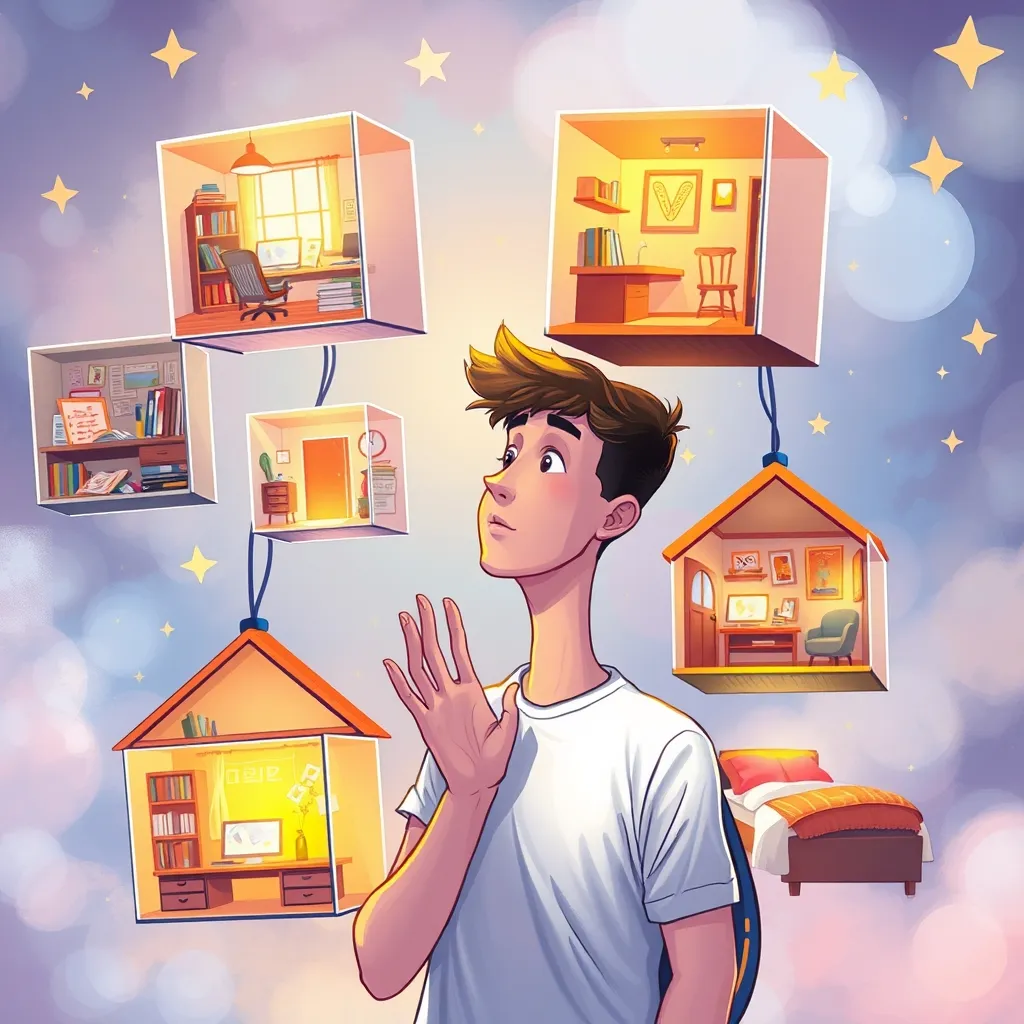
For students, rooms in dreams can symbolize different facets of their inner world. Think of each room as a compartment of their mind or life. A bright, tidy study room might reflect their focus, discipline, and thirst for knowledge. It’s a mental workspace where ideas come alive.
On the other hand, a messy or cluttered room could hint at feeling overwhelmed. Perhaps deadlines loom or emotions get tangled. This kind of dream often nudges students to organize their thoughts or priorities.
What about locked or hidden rooms? These can be intriguing—and sometimes mysterious. Such rooms might represent secrets or unexplored aspects of the self. For a student, it could signal hidden fears about failure, or maybe undiscovered talents waiting to be unlocked.
Dorm rooms or shared spaces add another layer. They often capture social dynamics. A cramped dorm room dream might suggest feelings of confinement or stress with roommates. Alternately, a cozy, welcoming dorm signifies friendship and a sense of belonging.
Sometimes, wandering through unfamiliar rooms reflects the student’s journey through new experiences. Transitioning from one room to another can mirror moving from one life stage to another—freshman year to sophomore, or even exploring career paths.
In short, rooms in student dreams are rich with meaning. They invite a closer look at how young dreamers perceive their environment and themselves. By paying attention to these symbols, students can gain insight, find clarity, and maybe even spark motivation for their waking challenges.
12. Parents Dreaming of Rooms and Family Spaces
When parents dream about different rooms and family spaces, these visions often carry deep emotional and psychological significance. Rooms in dreams are more than just physical spaces—they are symbolic chambers of the mind and heart, reflecting the complex dynamics of family life and the responsibilities that come with parenthood.
Consider the living room, for example. This space often represents connection and communication within the family. Parents dreaming of a cozy, well-lit living room might be processing feelings about their current sense of togetherness or perhaps longing for more quality time with their children. Is the room bright and inviting, or dark and cluttered? These details can hint at how harmonious or strained family interactions feel in waking life.
What about dreams featuring a kitchen? Kitchens are the heart of many homes, places where nourishment happens—both literally and metaphorically. When parents dream of cooking or gathering in a kitchen, it might symbolize their role as providers and caretakers, nurturing their family’s well-being. A sparkling clean kitchen might suggest pride and satisfaction, while a chaotic or neglected one could reflect stress or worries about managing family needs.
Bedrooms in parental dreams can be particularly revealing. A child’s bedroom may evoke thoughts about that child’s growth, privacy, or independence. Dreaming of fixing or entering a child’s room might be a subconscious exploration of boundaries and the delicate balance between guidance and freedom. Meanwhile, dreams involving the parents’ own bedroom can touch upon their personal space, marriage dynamics, or the need for rest amid busy family life.
Basements and attics, often less-used family spaces, might represent hidden emotions or memories. Parents dreaming of these rooms could be delving into parts of their family story or their own pasts that still influence present relationships. Are these rooms dusty and dark, or organized and bright? The state of these spaces can illuminate how parents view unresolved issues or forgotten joys.
Each room dreamed about is like a puzzle piece. Together, they form a rich picture of the parent’s inner life—concerns, hopes, and connections intertwined with their family’s shared shelter. By paying attention to these dream rooms, parents can gain insight into their own feelings and the emotional rhythms of their home. The question then becomes: what is each room asking to be acknowledged, repaired, or cherished?
13. People Undergoing Life Transitions and Room Dreams
When people undergoing life transitions dream about different rooms, these images often carry rich and layered meanings. Transitions—like moving to a new city, starting a new job, ending a relationship, or entering a new life stage—can stir up a host of emotions: uncertainty, hope, fear, excitement. Rooms in dreams become powerful symbols that mirror these inner shifts.
Each room represents a part of the dreamer’s psyche or life situation.
A closed-off room might symbolize feelings of confinement or a part of life that feels inaccessible. It can hint at unresolved issues or emotions the dreamer is reluctant to face during this period of change.
An empty room, on the other hand, may suggest a fresh start or a blank slate—something entirely new yet undefined. This can feel both daunting and liberating as the dreamer steps into unknown territory.
What about a familiar room? Dreaming of a space once lived in might indicate a connection to the past, memories, or comfort zones that the dreamer might be reluctant to leave behind. It can show hesitation or nostalgia during a shift that demands moving forward.
Rooms with multiple doors or windows often symbolize choices and opportunities. For someone navigating life transitions, these dreams can surface the anxiety or excitement of multiple paths ahead. The dream may be inviting the dreamer to explore which way feels right, or warning against indecision.
Consider a cluttered room, too. This often represents a mind overwhelmed by the chaos that comes with change. The dreamer might feel burdened with unprocessed emotions and worries. Conversely, a clean or well-organized room can reflect a sense of readiness, control, and hope to manage the upcoming transition smoothly.
What if the dreamer moves from one room to another? This journey within the dream can symbolize the internal process of moving through different phases of change. Each new room feels like stepping deeper into new parts of the self, leaving old identities behind, and preparing for what’s next.
Ultimately, rooms in dreams act as intimate, personal stages where the drama of transformation plays out. For people amidst life transitions, these dream spaces provide a fascinating window into their subconscious fears, hopes, and evolving identities. They ask us: which door will you choose? What will you carry forward? And what part of yourself will you leave behind?
14. Artists and Creatives Dreaming of Different Rooms
For artists and creatives, dreaming of different rooms is rarely just about physical spaces. Each room can symbolize a unique chamber of the imagination or a different facet of the creative process.
Imagine walking through a series of rooms in a dream. Each one feels distinct, infused with its own mood, colors, and textures. To an artist, this is a vivid metaphor.
A bright, cluttered studio room might represent untamed inspiration—ideas scattered like paint tubes on a palette. It’s messy but alive, brimming with potential.
A dark, empty room, on the other hand, might signal a creative block. Silence reigns, and the echo of your own thoughts seems overwhelming. Yet, even emptiness holds possibility. It’s a blank canvas waiting for that first stroke.
Rooms filled with mirrors could symbolize self-reflection. The artist confronts different versions of themselves—past, present, and future creators. It’s an invitation to consider identity and how it shapes their work.
What about a cozy, warmly lit room? This might embody the nurturing side of creativity, a safe space for ideas to grow and evolve softly. It speaks to comfort and emotional resonance in one’s art.
Sometimes, dream-rooms change unexpectedly—a door swings open, and suddenly, you’re in a chaotic, vibrant gallery bursting with colors and artworks. This can symbolize the exhilarating risk-taking phase in creation, or a breakthrough moment where ideas flow freely and your visions come alive.
For creatives, each dreamed room is a realm of exploration. It’s not just where they “are” during sleep, but where their mind wanders creatively—hidden workshops of thought, emotion, and imagination.
When artists dream of rooms, they’re invited to navigate their inner landscapes. To unlock what’s confined or hidden. To find new inspiration in the mysterious architecture of their subconscious.
So, next time you dream of rooms, ask yourself: What kind of room are you in? What does it look like? What feelings does it stir? For creatives, the answer could be the key to a fresh spark of artistry.
15. Individuals Experiencing Stress and Room Dreams
Dreaming about different rooms often holds a unique significance, especially for individuals experiencing stress. When life feels overwhelming, the subconscious mind uses symbols to process emotions. Rooms in a dream become these symbolic spaces, each representing various aspects of the dreamer’s inner world.
Imagine walking through a house in your dream. Each room you enter may mirror different feelings, memories, or conflicts triggered by stress. For someone under pressure, a cluttered or dark room might reflect confusion or anxiety. A locked room, on the other hand, could symbolize parts of themselves they feel trapped in or unable to confront.
These rooms are not just physical spaces. They are emotional landscapes. A bright, tidy room may suggest a desire for control, order, or peace amid chaos. Meanwhile, an empty or unfamiliar room can signify isolation or uncertainty—common emotions when stress mounts.
Why do stressed individuals dream of different rooms? Because their mind is sorting through complexities of their emotional state. The changing rooms hint at shifting moods, unresolved issues, or even ways to adapt. Each space offers a clue: What does that room feel like? Is it comforting or unsettling? Warm or cold?
The rooms can also represent roles or identities that the viewer is juggling. A kitchen might symbolize nourishment and care they provide others but neglect themselves. A bedroom could relate to rest and vulnerability, areas potentially sacrificed when stress takes its toll.
In essence, these room dreams become a silent dialogue. They ask: Which room do you dwell in today? Are you ready to open the door to a locked part of yourself? For those bearing stress, paying attention to these rooms can be a powerful tool for self-awareness and healing.
So next time you dream of wandering through multiple rooms, pause. Consider what your mind is trying to tell you through these shifting spaces. The answer may lie behind a door you never knew existed.
16. Spiritual Seekers and Metaphorical Room Dreams
Dreams about different rooms hold special significance for spiritual seekers. These dreams often transcend the literal. They invite us into an inner landscape—a sacred space where the soul unfolds its mysteries.
Each room in a dream is like a chapter in a book. It tells a story about your spiritual journey. A quiet, dimly lit room might symbolize meditation or contemplation. It suggests a time of retreat from the world to connect deeply with your inner self.
On the other hand, a bright, open room can represent awakening and clarity. It may signal moments of insight or spiritual breakthroughs. The light that fills the space is often seen as the light of consciousness expanding within.
For those who approach dreams metaphorically, rooms become powerful symbols of different aspects of the psyche. A locked room, for example, might point to parts of the self that remain hidden or unexplored. It challenges the dreamer to seek keys—be they knowledge, courage, or healing—to unlock those doors.
Moving through multiple rooms can reflect the journey between different states of awareness. Each doorway crossed encourages growth, transformation, or the integration of lessons learned.
Sometimes, the rooms themselves feel strange or unfamiliar. This signals new territories of the soul being discovered. It sparks curiosity: What part of me is this space inviting me to explore?
For spiritual seekers, such dreams are invitations. They call for mindful reflection. What emotions arise in each room? What messages whisper through these walls?
Ultimately, rooms in dreams represent the chambers of the spirit. They map the inner architecture of your sacred self. Exploring these metaphorical spaces can reveal profound insights. They guide the seeker closer to truth, wholeness, and awakening.
18. Dreams About Rooms Among Sleep Disorder Patients
Dreams about different rooms hold a unique and intriguing place, especially among individuals suffering from sleep disorders. For this demographic, the imagery of rooms is often vivid, layered, and packed with nuances that differ from those of the general population.
Rooms in dreams can symbolize segments of the mind or emotional states. But for sleep disorder patients, these dream rooms sometimes take on a heightened significance. Why? Because the boundaries between wakefulness and sleep blur more frequently. Their dreams often feel more immediate, sometimes even fragmented—almost like flipping through rooms in a maze.
Each room encountered in their dreamscape can represent a specific part of their psychological experience related to their condition.
A dark, cramped room might suggest feelings of confinement or anxiety, common in those with insomnia or sleep apnea. These rooms may echo their struggles with suffocation or restlessness at night.
In contrast, an open, well-lit room could symbolize a fleeting sense of peace or clarity, moments when their mind briefly escapes the unrest of disturbed sleep.
Strange or unfamiliar rooms might mirror disorientation—an experience many sleep disorder patients have when navigating between sleep stages or during episodes of restless leg syndrome or narcolepsy.
What makes these dream rooms particularly fascinating is how they reflect the fractured sleep architecture these patients endure.
Rooms that seem locked or impossible to leave could express feelings of being trapped inside their condition, unable to achieve restful sleep. Meanwhile, rooms filled with mirrors or doors may represent self-examination or the search for escape routes, both symbolic of their desire to understand and overcome their sleep challenges.
In essence, each room in their dream acts like a window into their subconscious, shaped by the very nature of their disrupted sleep patterns. These dreamscapes are not just random backdrops—they conjure the emotional and physiological distress embedded in their nightly experiences.
For researchers and clinicians, dissecting these rooms offers clues. They can better understand the psychological burden of sleep disorders and how these conditions manifest beyond waking hours. For the patients themselves, interpreting these rooms might become a tool for self-awareness and healing, turning eerie visions into meaningful insights.
In sum, dreams about different rooms among sleep disorder patients are more than symbols. They are intricate reflections of the mind wrestling with elusive rest, painted vividly across the canvas of disrupted nights.
Back to interpretation of different rooms