
Dream About Different Rooms: What Do They Symbolize?
Want a Personalized Dream Interpretation?
Curious about what your dreams mean? Discover personalized interpretations beyond dream symbols. Get insights tailored to you!
Get Free Interpretation Now →Table of Contents
Have you ever woken up wondering why you were moving through different rooms in your dream? Rooms in dreams aren’t just random settings — they carry deep symbolic meanings tied to your inner world. Each room represents a different aspect of your thoughts, feelings, or life situation, making these dreams fascinating puzzles to decode.
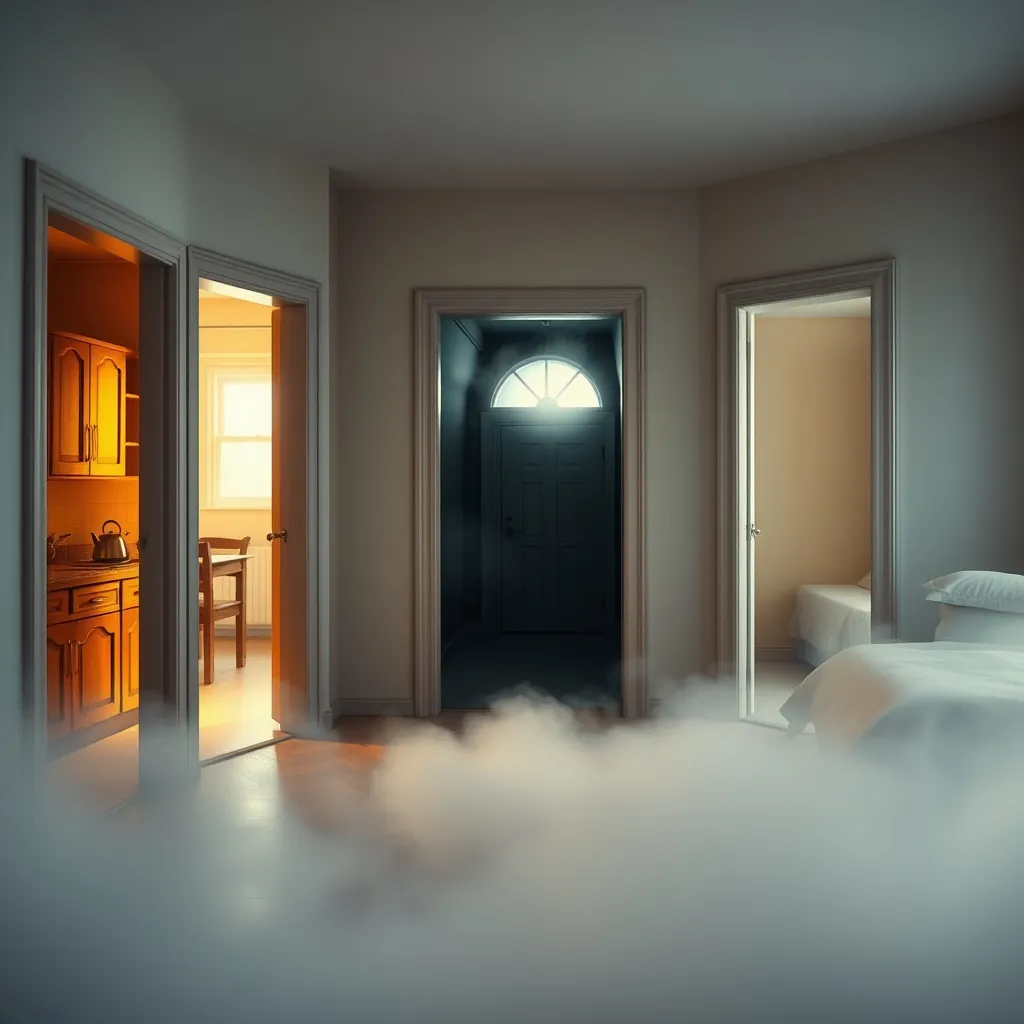
Dreams about various rooms often reflect your mental and emotional state, highlighting what you’re exploring, hiding from, or seeking in your waking life. Whether it’s a bright, welcoming kitchen or a dark, locked basement, each space offers clues about your current mindset and unresolved issues.
In this article, we’ll dive into the symbolism behind different rooms you might encounter in your dreams. Keep reading to unlock the hidden messages your subconscious is trying to share.
What’s the Significance of Dreaming About Different Rooms?
Personal Identity and Inner Self Exploration
Rooms in dreams often symbolize different aspects of your personal identity and the journey of inner self-exploration.
Each room can represent a distinct part of your personality or a particular emotional state. For example, a brightly lit room might signal clarity and self-awareness, while a dark or cluttered room could point to confusion or unresolved feelings.
When you find yourself moving through various rooms in a dream, it suggests you are navigating through different layers of your subconscious mind. This movement reflects a process of exploring who you are, uncovering hidden desires, fears, or memories.
Moreover, the condition of the rooms—whether tidy, messy, familiar, or strange—can offer insights into how you view these parts of yourself. A well-kept room may indicate acceptance and confidence in that aspect of your identity, whereas a neglected or locked room might symbolize repressed emotions or parts of yourself you are unwilling to face.
Ultimately, dreaming of different rooms serves as a metaphor for self-discovery, encouraging you to examine and integrate the various facets of your inner world.
Emotional State Reflected Through Private Spaces
Dreaming of different rooms often symbolizes various emotional states, reflecting the private and intimate spaces within your inner world.
Each room in your dream can represent a distinct aspect of your feelings or mental condition. For example, a cozy living room might suggest comfort and security, whereas a dark or cluttered room could point to confusion, anxiety, or unresolved issues.
These rooms serve as metaphors for your mind’s compartments—some may be open and welcoming, indicating emotional openness, while others might be locked or hidden, suggesting suppressed feelings or aspects of yourself that you are not ready to confront.
By exploring the rooms in your dream, you are essentially navigating your emotional landscape, gaining insight into how you relate to yourself and your experiences on a deeper level.
Opportunities for Growth and Change
Dreaming of different rooms often symbolizes opportunities for growth and change in your life. Each room in the dream represents a distinct aspect of yourself or your experiences, suggesting areas where personal development is possible.
Entering a new room may signify that you are ready to explore unfamiliar parts of your personality or circumstances, signaling readiness for transformation. Moving between rooms reflects the transitions you are experiencing or contemplating in your waking life.
When you dream of various rooms, it encourages you to embrace change and consider new possibilities. These dreams prompt you to open yourself up to learning and evolving, reminding you that growth often requires stepping into unknown or unexplored spaces.
Pay attention to the condition and atmosphere of each room, as they can provide clues about your mindset and emotional state regarding the changes ahead. By reflecting on these symbols, you can better understand your potential for growth and the areas where change might be most beneficial.
Boundaries Between Public and Private Life
Dreaming of different rooms in a house often symbolizes the boundaries between your public and private life. Each room represents a distinct aspect of yourself and highlights how you compartmentalize your experiences, emotions, and relationships.
Rooms that feel open and accessible in your dream may indicate areas of your life that you are comfortable sharing with others, reflecting your public persona. Conversely, closed or locked rooms suggest private thoughts, feelings, or memories that you keep hidden from external view. This division in the dream points to your awareness of what you reveal to others versus what remains reserved for yourself.
Furthermore, the condition and nature of these rooms can provide insight into your comfort level with these boundaries. A well-kept, inviting room might show healthy and clear separation between private and public realms. On the other hand, dark or cluttered rooms may reveal anxiety, confusion, or conflict about where to draw limits or how much to reveal.
Overall, dreams involving different rooms encourage reflection on how you manage personal boundaries, privacy, and the balance between openness and secrecy in your waking life.
Stages of Life Represented by Room Types
Different rooms in dreams often symbolize various stages of life and personal development, each type of room representing a distinct phase or aspect of your journey.
A childhood bedroom in your dream reflects innocence, nostalgia, and the early years of your life. It may indicate a longing for simpler times or a need to reconnect with your foundational experiences and emotions. Conversely, a kitchen symbolizes nourishment and productivity, representing adulthood and the responsibility of providing and sustaining yourself and others.
Dreaming of a living room often relates to your social life and the way you present yourself to the world, suggesting interaction, relaxation, and personal expression during your middle years. Meanwhile, a study or office signifies maturity and focus on personal growth, intellectual pursuits, or career ambitions — a stage where you engage deeply with your goals and aspirations.
Finally, an attic or basement can symbolize reflection on the past or confronting buried emotions, which aligns with later stages of life and self-understanding. These spaces may invite you to explore hidden aspects of yourself or unresolved issues as part of your personal evolution.
Each room’s unique symbolism in your dream reflects the phase of life you are experiencing or the emotional and psychological state associated with that stage, guiding you toward awareness and balance.
Symbolism of Safety and Vulnerability
Dreaming about different rooms often symbolizes aspects of your inner self and emotional state, particularly revolving around the themes of safety and vulnerability.
Rooms in dreams can represent the different compartments of your mind or life, each offering a unique space where you may feel either secure or exposed. A familiar and well-maintained room often indicates a sense of protection, comfort, and safety. It reflects an area of your life or psyche where you feel in control and secure, much like a safe haven from the outside world.
Conversely, entering a strange or neglected room may symbolize feelings of vulnerability or exposure. Such rooms can bring to light hidden fears, insecurities, or emotional wounds that you may not be fully aware of or ready to confront. The state of the room—whether cluttered, dark, or damaged—often mirrors your level of vulnerability and discomfort in that part of your life or mind.
The shifting between different rooms in your dream might suggest your movement between states of safety and vulnerability. For example, moving from a cozy bedroom to a cold, empty hallway can reflect transitions in your emotional life, from security toward uncertainty or openness to new challenges that unsettle your previously safe space.
Ultimately, the symbolism of different rooms revolves around your inner balance between feeling protected and confronting your vulnerabilities. Recognizing which rooms you visit in your dreams and how you experience them can provide valuable insight into your emotional resilience and areas needing attention or healing.
Expression of Desire and Aspirations
Dreaming of different rooms often symbolizes the various facets of your desires and aspirations. Each room can represent a distinct part of your life where you hold hopes, ambitions, or unfulfilled wishes. For example, a brightly lit room may reflect clarity and optimism about your goals, while a dark or cluttered room might indicate confusion or obstacles in achieving your dreams.
Furthermore, moving from one room to another in a dream can illustrate your journey through different phases of personal growth or the pursuit of multiple desires. It highlights your exploration of new possibilities and the longing to expand your horizons. Essentially, these rooms serve as a metaphor for the compartments of your inner world where your deepest yearnings and future plans reside.
Relationships and Social Connections
Dreaming of different rooms often symbolizes various aspects of your relationships and social connections. Each room represents a different facet of how you interact with others or perceive your place within social groups.
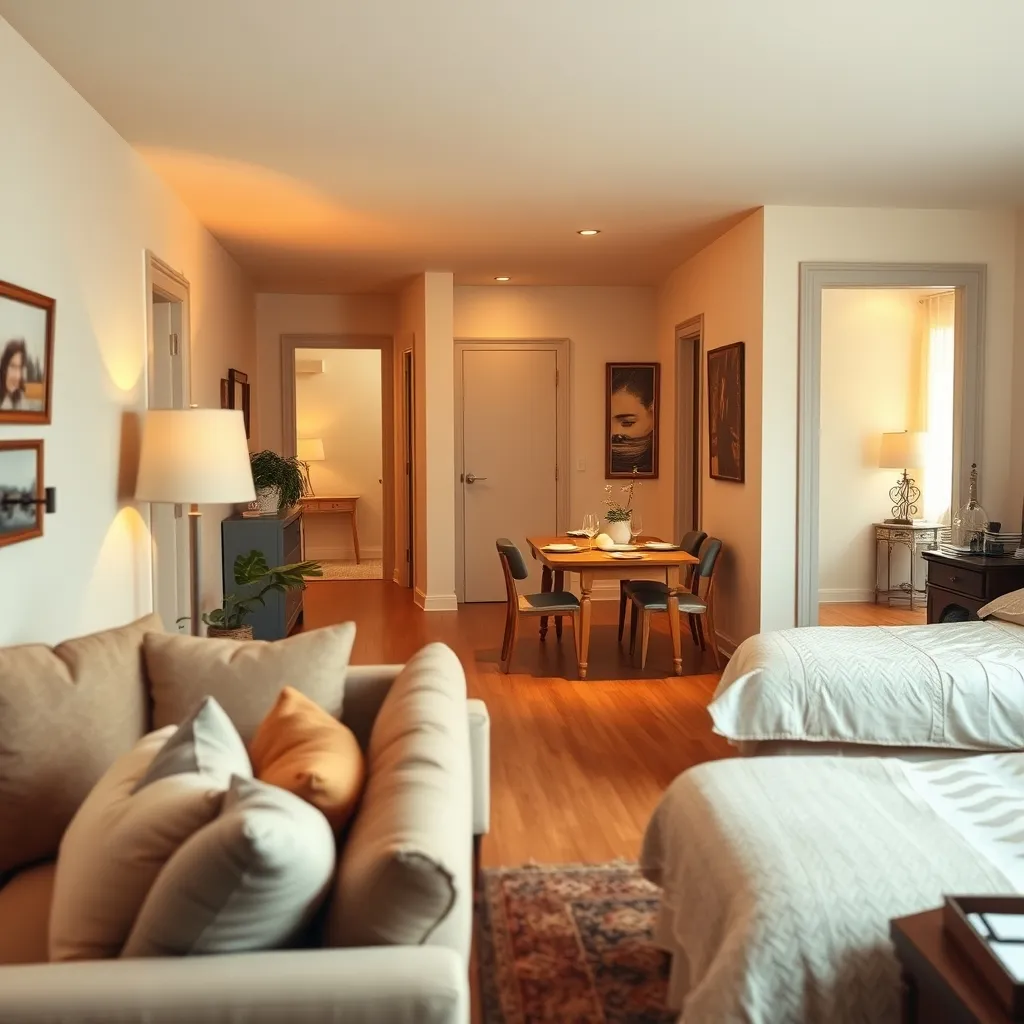
When you dream of entering a living room, it reflects your comfort level and openness in social settings. This room often signifies your readiness to engage or withdraw from social interactions, highlighting how you connect with friends and family.
A kitchen in your dream symbolizes nourishment and the nurturing side of your relationships. It points to the care and attention you give and receive from those close to you, indicating warmth and support in your social circle.
Dreaming of a bedroom often relates to intimacy and personal boundaries in relationships. It can reveal your private feelings and desires about closeness and trust with others.
If you find yourself in a hallway or corridor, it suggests transitions or changes in your social connections. This may represent the movement from one relationship phase to another or the need to navigate complex social dynamics.
Overall, different rooms in dreams mirror the variety and complexity of your social life, encouraging you to reflect on how you relate to others and the emotional spaces you inhabit within your relationships.
Psychological Barriers and Mental Blocks
Dreaming about different rooms often symbolizes the various compartments of your mind, each representing distinct aspects of your personality, thoughts, and emotions. When these rooms feel closed off, cluttered, or inaccessible in your dream, it may reflect psychological barriers and mental blocks that you are currently experiencing in your waking life.
Such dreams suggest that you may be struggling to access certain feelings or memories, or that you have erected subconscious walls to protect yourself from emotional pain or unresolved issues. For example, entering a locked room might indicate that there is a part of your psyche that you are reluctant to confront, possibly due to fear, shame, or confusion. Similarly, wandering through a maze of disconnected rooms can symbolize mental confusion or feeling trapped by conflicting thoughts.
Recognizing these dream symbols can be a prompt to explore what internal obstacles are preventing you from moving forward. It encourages self-reflection and the gradual dismantling of these mental blocks, allowing you to gain clarity, heal emotional wounds, and embrace personal growth.
Biblical Meaning of Different Rooms in Dreams
Spiritual Refuge and Protection in a Room
A room in your dream often represents a spiritual refuge, a personal sanctuary where you find protection and peace. Biblically, rooms are depicted as places where individuals retreat for prayer, reflection, and divine encounter. For example, Jesus teaching His disciples about praying in a secluded room emphasizes the room as a symbol of intimate connection with God and a shelter from worldly distractions.
Dreaming of different rooms can indicate stages or aspects of your spiritual journey and the protection you seek from external challenges. Entering a room may suggest entering a state of spiritual security, a place where your soul is shielded from harm. Conversely, closed or locked rooms in dreams might signify the need for renewed faith or barriers in your spiritual life that require divine intervention.
Thus, rooms in dreams hold significant biblical meaning as symbols of spiritual refuge and protection, encouraging you to find sanctuary in God’s presence amid life’s trials.
Rooms as Symbols of Inner Sanctum and Purity
Rooms in dreams often symbolize the inner sanctum of the dreamer’s soul.
They represent different aspects of one’s inner world, emotions, and spiritual state.
From a biblical perspective, rooms can be seen as places of purity and sanctification.
For example, in the Bible, the “inner chamber” or “secret place” is where one communes privately with God, free from distractions and impurities.
This symbolism highlights rooms as sacred spaces that invite reflection, prayer, and spiritual cleansing.
When you dream of entering a particular room, it may suggest that you are being called to explore or purify that part of your inner self.
Clean and orderly rooms in dreams often point to spiritual readiness and purity, while cluttered or dark rooms might indicate inner turmoil or impurity that needs attention.
Thus, rooms in dreams serve as metaphors for the state of your soul’s sanctity and your journey toward holiness.
The Room Representing Divine Revelation and Guidance
Dreaming of a room that symbolizes divine revelation and guidance often reflects a spiritual awakening or an invitation to seek higher wisdom. In the biblical context, rooms are frequently depicted as sacred spaces where God communicates directly with individuals, offering direction and insight. For instance, the upper room where the apostles received the Holy Spirit (Acts 1:13-14) represents a place of enlightenment and empowerment.
Such a dream suggests that you are entering a phase in your life where divine guidance is accessible if you remain open and attentive. The room may appear illuminated, serene, or filled with symbolic elements like light or scripture, emphasizing its holy nature. This dream encourages you to look beyond the physical and tune into your spiritual path, trusting that the answers you seek will come through prayer, meditation, or scripture study.
Moreover, being inside this divine room in your dream implies protection and a direct connection to God’s presence. It is a call to be receptive to God’s messages, which could manifest as inspiration, clarity, or a deeper understanding of your life’s purpose. Ultimately, this dream signifies that you are being guided by a higher power, reminding you to walk faithfully and confidently along your spiritual journey.
Rooms Indicating Phases of Spiritual Growth
Dreaming of different rooms often symbolizes various phases of spiritual growth and personal development. Each room in your dream can represent a distinct stage or area of your spiritual journey, reflecting where you currently stand and what lies ahead on your path.
When you see yourself moving through different rooms, it signifies progression in your faith and understanding. For example, entering a new room may mean you are ready to embrace a deeper level of spiritual insight or responsibility. It suggests that you are evolving and maturing in your relationship with God, moving from one phase of spiritual enlightenment to another.
Rooms that appear dark or cluttered can indicate areas of your spiritual life that need attention and purification. This part of your dream encourages self-examination and repentance, urging you to clear away doubts, fears, or sin that may be hindering your growth. Conversely, brightly lit or orderly rooms show clarity, peace, and an alignment with God’s will.
In biblical terms, rooms are often places of refuge, instruction, or revelation. Dreaming of different rooms aligns with this symbolism, revealing that your spiritual journey involves various stages of learning, testing, and transformation. This dream invites you to be mindful of each phase, trusting that God is guiding you through the rooms of growth until you reach greater maturity in Christ.
Inner Chambers Reflecting the Soul’s Condition
Dreaming of different rooms often symbolizes various aspects of your inner self and spiritual condition. In biblical terms, these rooms can be seen as the inner chambers of the soul, each reflecting a different state of heart and mind. Just as a house contains many rooms, our souls hold diverse emotions, thoughts, and spiritual states.
When you dream of walking through different rooms, it suggests an exploration of your soul’s condition. Clean and well-lit rooms symbolize purity, peace, and alignment with God’s will, while dark or cluttered rooms may indicate areas of spiritual neglect or inner turmoil. The Bible speaks of the heart as a chamber where God dwells and where self-examination occurs (Psalm 51:6). Therefore, the state of these rooms in dreams mirrors the spiritual cleanliness and readiness of your inner being.
This kind of dream invites reflection on which “room” you spend most of your time in spiritually. It could be a call to cleanse certain inner areas, to seek God’s guidance, or to embrace transformation that leads to healing and renewal. Ultimately, the imagery of different rooms reflects a journey toward understanding and improving the soul’s condition before God, encouraging awareness and spiritual growth.
Rooms as Places of Divine Encounter and Prayer
Rooms in dreams often symbolize different aspects of your spiritual life and inner self. When viewed through a biblical lens, rooms can represent sacred spaces where divine encounters and prayer occur.
In scripture, rooms are places of intimate communion with God. For example, Jesus instructs in Matthew 6:6 to pray “in your room, with the door shut,” emphasizing privacy and sincerity in prayer. Dreaming of different rooms may indicate your need to find or create a personal place of spiritual refuge and dialogue with God.
Each room in your dream could symbolize a stage or area of your spiritual journey. A quiet, secluded room suggests a deep, private connection with the Divine, where you seek guidance, comfort, and revelation. Conversely, cluttered or dark rooms may reflect struggles or distractions hindering your prayer life.
The biblical meaning of rooms as places of divine encounter encourages self-reflection on how you engage with God. Such dreams invite you to cultivate spaces of prayer and solitude in your waking life. They remind you that genuine encounters with God often happen in hidden places of your heart and spirit, away from the noise of the world.
The Room Signifying God’s Promise and Covenant
Dreaming of different rooms can symbolize various aspects of your spiritual journey, but when a room signifies God’s promise and covenant, it carries a profound biblical meaning. This dream reflects a sacred space where divine assurances are made, reminding you of God’s faithfulness and the sacred agreements established with His people.
In the Bible, rooms or chambers often serve as places of revelation and divine encounter. A room representing God’s promise and covenant may indicate that you are entering a period of spiritual assurance and protection. It suggests that God is inviting you into a deeper relationship, reaffirming His promises to guide, protect, and bless you.
This dream may also be encouraging you to reflect on the covenants in your life—commitments grounded in faith and trust in God’s word. Like the rooms described in scripture where covenants were sealed, your dream points to a holy space where divine promises are upheld. It reassures you that despite life’s uncertainties, God’s covenant remains steadfast and unchanging.
Ultimately, dreaming of a room signifying God’s promise and covenant invites you to embrace confidence in His divine plan. It encourages you to find comfort in His unbreakable promises and to trust that you are under His faithful care.
Rooms Symbolizing Separation from Sinful Influences
Rooms in dreams often symbolize different aspects of the self, but when viewed through a biblical lens, they can specifically represent separation from sinful influences. A room, especially one enclosed and distinct from the outside world, signifies a spiritual sanctuary—a place where one is set apart from temptation and worldly corruption.
In biblical terms, rooms can be seen as protective spaces where individuals or groups separate themselves from sin and maintain purity. For example, the concept of an inner room or chamber in Scripture often relates to prayer, contemplation, and communion with God, away from the distractions and dangers of immoral surroundings. Therefore, dreaming of different rooms may reflect a subconscious desire or current experience of seeking refuge from sinful behaviors or influences.
This dream suggests a period of self-examination and intentional distancing from negative forces. It is an encouraging sign that you are spiritually safeguarded or moving toward sanctification by creating boundaries against sin. The presence of multiple rooms in the dream might indicate stages or areas in life where this separation is occurring, affirming a process of cleansing and renewal aligned with biblical teachings on holiness and separation.
Rooms in Dreams as Metaphors for Life’s Spiritual Journey
Dreaming about different rooms often symbolizes the various stages and aspects of your spiritual journey in life. Each room represents a unique phase of personal growth, understanding, or challenge you encounter as you move closer to spiritual enlightenment.
Entering a new room in your dream can signify stepping into a new level of faith or awareness. Just as rooms in a house serve different purposes, these spaces reflect different areas of your soul or faith that need attention or development. For instance, a dark or cluttered room might indicate spiritual confusion or unresolved issues, while a bright, open room suggests clarity and divine guidance.
The movement between rooms often mirrors the progression in your spiritual walk. Transitioning from one room to another may reveal your readiness to leave behind old beliefs or doubts and embrace deeper truths. It also highlights the dynamic nature of your relationship with God, showing that spiritual growth is not static but a continual journey through varying experiences.
Some rooms may be locked or hidden, pointing to aspects of your spirituality that remain undiscovered or inaccessible. This can encourage reflection and prayer, urging you to seek God’s wisdom to unlock these parts of your soul.
Overall, rooms in dreams serve as powerful metaphors for your life’s spiritual journey, reminding you that each phase, whether comfortable or challenging, contributes to the whole experience of walking with faith.
Unlocking Doors of the Mind: The Cultural and Historical Significance of Dreaming About Rooms
Dreams have fascinated humanity for millennia. Different cultures have long ascribed powerful meanings to the symbols that appear while we sleep. Among these, rooms stand out as mysterious spaces rich with symbolism.
Why rooms? Because rooms are intimate. They are parts of buildings—our personal realms. Each room can represent different facets of the self or stages in life. This idea is not new.
In ancient Egypt, dream interpretation was a sacred art. Rooms in dreams were often seen as chambers of the soul. A grand hall might symbolize status or social standing. A dark, locked room could hint at hidden fears or secrets.
Fast forward to ancient Greece and Rome, philosophers like Aristotle and Cicero pondered the meaning of dreams. They noticed how the architecture within dreams might reflect a person’s inner world. A cluttered room could mirror confusion, a clean one pure thoughts.
In Eastern traditions, such as Chinese dream philosophy, houses and their rooms frequently symbolize one's life situation or emotional state. A vibrant kitchen might signal prosperity, while an empty bedroom could suggest loneliness or change.
Even modern psychology picks up on these echoes. Sigmund Freud famously explored rooms as parts of the subconscious mind, representing memories, desires, or conflicts.
Across time and cultures, the humble room in dreams opens a door to self-exploration. It invites us to step inside, observe, and understand parts of ourselves we might overlook in waking life.
Isn’t it fascinating how the simple image of a room can carry such hidden depths? What secrets might your dream rooms hold?
What Secrets Do Different Rooms Reveal in Your Dreams? 25 Symbolic Scenarios Explored
1. Dream of Walking Through Different Rooms
If you dream of walking through different rooms, it often reflects a journey through various aspects of your own mind or life experiences. Each room in your dream can symbolize a different emotion, memory, or stage of personal growth. Moving from one room to another may indicate your process of self-exploration and the search for clarity or understanding.
Dreaming of walking through different rooms suggests you are navigating through complex feelings or situations, possibly trying to piece together different sides of yourself. It can also imply a transition or change, as you explore new opportunities or confront unresolved issues. This dream encourages you to pay attention to the specific characteristics of each room, as they may hold clues to what areas of your life need attention or healing.
2. Dream about Entering a Locked Room
Dreaming about entering a locked room often symbolizes a desire to access hidden or repressed parts of your subconscious mind. This dream scenario suggests that there are aspects of yourself or your life situation that you feel are off-limits or difficult to approach. The locked room represents barriers—whether emotional, psychological, or situational—that you are either trying to overcome or are confronted with.
An alternative interpretation is that this dream points to feelings of curiosity mixed with frustration, indicating you may be seeking answers or truths that are not yet ready to be revealed. It could also reflect your need for privacy or protection over certain thoughts and experiences. Additionally, successfully entering the locked room in the dream may signify breakthroughs in understanding oneself or unlocking new potentials that were previously inaccessible.
3. Dream of Being Trapped in a Room
Dreaming of being trapped in a room often symbolizes feelings of confinement, limitation, or emotional restriction in your waking life. This scenario suggests that you may be experiencing obstacles or challenges that make you feel stuck or powerless, whether in your personal relationships, career, or mental state.
Another interpretation is that the room represents your inner self or mind, and being trapped signifies an inability to express yourself freely or break free from negative thought patterns. It could also point to feelings of isolation, loneliness, or a need to reflect on aspects of your life where you feel confined.
Furthermore, this dream might be encouraging you to evaluate what is holding you back and consider ways to regain control or find a path to liberation. It serves as a reminder to confront fears or limitations instead of avoiding them, which could lead to personal growth and renewed freedom.
Demographics of People Who Might Dream of Different Rooms Including Children, Teenagers, Adults, Elderly, Students, Parents, Professionals, Artists, Athletes, Spiritual Seekers, Introverts, Extroverts, Married Individuals, Single Individuals, Urban Residents, Rural Residents, Dream Enthusiasts, and Psychologists
1. Children and Their Dreams About Different Rooms
When children dream about different rooms, they are often stepping into the rich, colorful world of their emotions and imaginations. Each room in their dream can feel like a little universe, filled with meaning and mystery. But why do children see these rooms? What do they really represent?
Rooms in children’s dreams often mirror their feelings. A bright, sunny kitchen might symbolize warmth, comfort, and family bonding. It’s the heart of their home, where they feel safe and loved. On the other hand, a dark, cluttered attic might bring up feelings of confusion or fear. It could be a place where forgotten worries or secrets hide.
Children’s minds are still developing. Their dreams tend to be vivid and sometimes puzzling. Different rooms can indicate parts of themselves they are exploring. For example, a classroom might reflect their challenges and achievements in learning. It can also show their social experiences, like making friends or feeling left out.
Spaces like bedrooms can reveal a child’s personal space and sense of identity. Dreaming of their bedroom might symbolize comfort, privacy, or sometimes a need to retreat from overwhelming emotions. If the bedroom in the dream is new or different, it might represent a change or a growing sense of independence.
Bathrooms in children’s dreams are interesting too. They often symbolize a need to release emotions or cleanse themselves from stress. It’s a private place, suggesting that the child is processing feelings in a safe, quiet way.
Imagine a mysterious hallway connecting all these rooms. For children, this might symbolize the journey of growing up. Moving from one room to another can show how they are navigating new experiences and emotions, learning who they are.
Children’s dreams about different rooms invite us to look closer. They ask, "What is this place to me?" and "How do I feel inside this room?" By paying attention to these spaces, we can better understand their inner world — their hopes, fears, and endless curiosity.
So, every room a child dreams about is more than just a backdrop. It’s a door into their heart and mind. A glimpse of their unfolding story, one room at a time.
2. Teenagers Experiencing Room Symbolism in Dreams
Teenagers often find themselves navigating a whirlwind of emotions, identities, and experiences. It’s no surprise that their dreams become vivid arenas where these inner changes play out. Among the rich tapestry of dream symbols, different rooms stand out as powerful metaphors—each one reflecting aspects of a teen’s evolving mind and life.
Imagine a teenager dreaming of a familiar bedroom. That room often represents their personal space, a private sanctuary where their true self can emerge. It’s a place for comfort, security, and sometimes frustration. If the room appears messy or chaotic, it might mirror the teen’s feelings of confusion or emotional turmoil. A neat, bright room could symbolize a desire for order and control amid adolescent uncertainty.
What about dreams featuring unfamiliar rooms? These can tap into a teen’s curiosity or anxieties about the unknown future. Entering a locked room may suggest hidden feelings or secrets the teenager hasn't yet confronted. Exploring a large, empty hall might echo the sense of vast possibilities, as well as loneliness, that come with the transition toward adulthood.
Common spaces like kitchens, bathrooms, or living rooms carry unique connotations as well. A kitchen in a dream could hint at creativity or nourishment—not just physically but emotionally and intellectually. Meanwhile, a bathroom may represent cleansing or the need to release pent-up emotions. Living rooms often signify social interactions and family dynamics, realms that are crucial during teenage years.
The colors, light, and temperature of these rooms add layers of meaning. A dark or cold room might reflect feelings of isolation or depression, while bright, warm rooms often connect with hope and happiness. Even the presence or absence of windows can speak volumes—windows offer perspectives and opportunities, or their lack might indicate feeling trapped or restricted.
For teenagers, then, rooms in dreams are not static. They shift and morph, much like the dreamer’s inner world. Each room invites questions: What am I hiding? What am I ready to face? What parts of myself am I still discovering? These dream spaces encourage self-reflection and offer clues that help young people understand their ongoing journey of growth.
In essence, rooms in teenage dreams serve as emotional landmarks—each door opening onto a different facet of identity, feeling, or experience. Recognizing these symbols can empower teens to navigate their waking life with greater insight and confidence.
3. Young Adults Dreaming of Various Rooms
When young adults dream of different rooms, these spaces often serve as vivid mirrors reflecting their inner world. Each room can symbolize distinct emotions, experiences, or stages of life.
Imagine walking through a house in your dream. Each door you open reveals a new room, much like exploring different parts of yourself.
A bedroom might symbolize privacy and personal identity. For young adults, this room often ties to self-discovery and the desire for independence. It’s a place where intimate thoughts and feelings reside.
The kitchen represents nourishment but also transformation. It’s about creativity and the mixing of ideas. For young adults, dreaming of a kitchen might indicate a readiness to "cook up" new plans or relationships.
Then there’s the living room—a social hub. Dreaming here can highlight feelings about community, friendships, or how one presents oneself to the outside world. It reflects social interactions and the balance between personal and public life.
What about a basement? Dark, mysterious, sometimes cluttered—the basement often symbolizes the subconscious. For a young adult, it might reveal hidden fears or unresolved issues lurking beneath the surface.
An attic, on the other hand, can embody memories, aspirations, or forgotten talents. Climbing into an attic might mean digging into the past or uncovering potential.
Each room holds a message, but what truly matters is how the dreamer perceives it. Is the room bright and welcoming? Dark and confined? Empty or full? These details add layers to the interpretation.
For young adults navigating growth and change, dreaming of various rooms is a fascinating journey inside their minds. It sparks questions: Which room feels most real? Which room do they avoid?
Exploring these dream spaces can offer profound insights into one’s evolving identity and emotional state. The house becomes not just a setting but a vivid map of the self—waiting to be explored, understood, and embraced.
## Unlocking Self-Reflection Through Dream Rooms

Have you ever paused to wonder what your dream rooms reveal about you? Each room can be a mirror, reflecting parts of your inner world. They invite you to explore feelings, memories, or desires you might not fully understand yet.

Dreaming of a cluttered attic? It could hint at hidden thoughts waiting to be uncovered. A bright kitchen might symbolize nourishment and creativity. The possibilities are endless—and deeply personal.

This is where self-reflection shines. By paying attention to the rooms in your dreams, you open a dialogue with yourself. But how do you capture such fleeting images and feelings?

Keeping a dream journal is a powerful start. Jotting down your dreams right after waking helps lock in details before they slip away. Over time, patterns emerge—your subconscious speaking in symbols.

To make journaling easier and more insightful, try using **[Dream Decoder](https://dreamdecoder.me)**, an AI dream interpreter. It doesn’t just store your entries—it analyzes symbols and suggests meanings. This tool can guide your self-exploration, making dream interpretation less daunting and more revealing.

In embracing your dream rooms, you embark on a journey within. Every note, every decoded symbol becomes a step closer to understanding yourself better. Ready to open the door? Your dreams await.