
Demographics of People Who Might Dream of a Woman Burning at a Stake
Want a Personalized Dream Interpretation?
Curious about how people like you interpret this dream symbol? Explore personalized interpretations tailored to your demographic. Get personalized insights for free!
Get Free Interpretation Now →Table of Contents
1. Women Experiencing Anxiety Dreams
Dreaming of a woman burning at the stake is a powerful and unsettling image, especially for women who experience anxiety dreams. This symbol often screams of inner turmoil, conflict, and transformation.
For these women, the burning woman can represent a feeling of being judged or persecuted. Anxiety often stems from fears of condemnation—whether from others or oneself. The flames might mirror the intense pressure they feel, as if they are being consumed by expectations, guilt, or self-criticism.
The stake itself suggests a form of public exposure. It is not just about suffering in silence, but about suffering in view of everyone. This could reflect the dreamer’s fear of vulnerability, of their deepest struggles laid bare in front of others. It might also point to experiences where they feel unfairly blamed or misunderstood.
Interestingly, fire is also a symbol of purification and transformation. For a woman haunted by anxious thoughts, this vision may hint at an inner desire or unconscious process of burning away old fears, toxic emotions, or parts of the self that no longer serve them. The pain is real, but so is the potential for renewal.
In many ways, this dream asks: What parts of yourself feel attacked or judged? What pressures are heating up your anxiety? And perhaps most importantly—what might you be ready to let go of through this intense ritual of the mind?
The image invites an emotional exploration. It's not simply about fear or pain—it is also a call to courage. To face the fire, to acknowledge the storm of feelings, and to emerge transformed, even if scarred.
For women grappling with anxiety, the woman burning at the stake in a dream is both a warning and a beacon. It warns of emotional overload and self-destruction. Yet it also illuminates a path beyond suffering—a journey toward acceptance, healing, and strength.
In decoding this dream, those who dream it can begin to untangle the roots of their anxiety. They might ask: Where in my life do I feel “burned,” exposed, or overwhelmed? What internal battles am I fighting that need compassion rather than punishment?
By confronting these difficult truths, the dreamer can turn a frightening vision into a powerful tool for self-understanding and growth.
2. History Enthusiasts and Dream Symbolism
The image of a woman burning at the stake is undeniably powerful and charged with deep historical significance. For history enthusiasts, this symbol immediately evokes the dark chapters of injustice—witch trials, religious persecution, and societal hysteria. It’s a vivid reminder of a time when fear and ignorance led to extraordinary cruelty.
But what does it mean when this symbol surfaces in a dream? For those fascinated by dream symbolism, the woman burning at the stake often represents sacrifice, martyrdom, or societal judgment. It’s a striking visual metaphor for inner conflict. Are you—or someone you know—being unfairly judged or misunderstood? Or does the dream reflect a fear of being “burned” by harsh criticism or betrayal?
The dream can also signify transformation through suffering. Burning, while destructive, also purifies. It might mean the dreamer is undergoing a painful but necessary process of change. The woman—strong, defiant, vulnerable—may symbolize the dreamer’s own struggle against oppressive forces, whether external pressures or inner doubts.
For history buffs, this dream becomes a layered narrative. It’s not just one woman; it’s a symbol of countless stories of courage and tragedy. It invites reflection on how far society has come and how some fears and prejudices remain entrenched in our collective unconscious.
In essence, the woman burning at the stake is more than a haunting image. It’s a call to examine personal and societal trials. It asks: What is being sacrificed? What is being purified? And above all, how does the dreamer confront their own flames?
3. Survivors of Trauma and PTSD
For survivors of trauma and PTSD, dreaming of a woman burning at a stake is a deeply charged symbol. It’s not just a violent image; it echoes inner turmoil and unresolved pain.
Why this specific scene? The woman burning at a stake often symbolizes extreme vulnerability and persecution. For someone with trauma, it can mirror feelings of being trapped in a cruel situation, judged, or attacked—either by others or by their own mind.
There’s a raw sense of helplessness here. The flames represent intense emotional suffering—perhaps the fire of fear, shame, or guilt that rages inside. It’s like the dream is shining a spotlight on how trauma survivors might still feel “burned” by their past experiences.
At the same time, this image can point to transformation. Fire burns away the old. It purifies. But for trauma survivors, this process can feel overwhelming rather than healing. The dream asks: How is this pain shaping you? Is the suffering still consuming you, or are you on the path to release?
The woman in the dream might also be a reflection of the dreamer’s own sense of identity. Are they feeling accused, misunderstood, or isolated? Are they struggling with self-judgment? This powerful symbol can awaken an urgent call to acknowledge emotional wounds and confront the shadows of trauma that still linger.
In essence, this dream is not just a nightmare. It’s a message. It demands attention to the fierce internal battles fought long after the trauma itself. For survivors of PTSD, it’s a visual cry for compassion—both from others and within themselves. The burning woman reminds us that pain, while consuming, also holds the potential for profound insight and healing, if approached with care.
4. People Interested in Feminist Dream Interpretations
The image of a woman burning at the stake in a dream is profoundly striking. For those interested in feminist dream interpretations, this symbol often carries layers of meaning tied to history, power, and resistance.
At first glance, it evokes the harrowing scenes of witch trials—moments when women were persecuted simply for defying societal norms or expressing autonomy. Dreaming of this can feel like witnessing a raw echo of patriarchal violence. It brings to the surface centuries of oppression where women’s voices were silenced by fear and control.
But beyond pain, there is also resilience in this symbol. The woman burning at the stake represents a powerful martyr figure. She stands for the sacrifices women have made in the fight against injustice. In your dream, she might symbolize your own struggles against societal constraints or internalized suppression.
This dream can ask urgent questions:
- Where in your life are you feeling judged or persecuted?
- Are you confronting traditional roles that limit your freedom?
- How do you rebel against forces trying to ‘burn you down’?
Importantly, the fiery image can also be a call to transformation. Fire destroys... but it also purifies and renews. The woman burning is not only a victim but a catalyst. She ignites change, courage, and awakening. Feminist dream analysis invites you to see her as a symbol of empowerment through adversity.
So, when this fierce image appears, consider it a challenge. What parts of your identity or beliefs need to be fiercely protected? What hidden power might be forging itself in the flames? And how can you channel this intense energy toward liberation—both personal and collective?
This dream beckons a radical re-examination. It reminds feminist dreamers that the fight against oppression is both painful and sacred. That even in flames, there is profound strength.
6. Spiritual Seekers and Dream Messages
For spiritual seekers, a dream featuring a woman burning at a stake is profoundly symbolic and layered. It often stirs a deep, almost visceral reaction, as it touches on themes of purification, transformation, and martyrdom.
Why would this disturbing image appear in the dreamscape of someone on a spiritual journey?
Burning at a stake historically represents punishment, rejection, or sacrifice. For spiritual seekers, it can mirror an inner trial or an intense phase of shedding old beliefs. The woman in the dream might symbolize a part of the self — perhaps an outdated identity, a harmful habit, or a restrictive mindset. She is being "burned away," purifying the dreamer’s soul and clearing the path toward growth.
This image prompts reflection on personal sacrifice. The dream asks: What am I willing to release in order to evolve? What parts of my spiritual practice or personal story are “on fire,” demanding transformation?
There’s also a message about resilience and courage. The burning woman might remind spiritual seekers that growth often involves pain and vulnerability. Like a phoenix rising from ashes, the dream suggests that what feels like destruction can actually spark renewal.
In the context of “Dream Messages,” this symbol can serve as an urgent call to confront fears or difficult truths. The stark imagery breaks through complacency and invites deep introspection. It pushes the dreamer to question what immobility or attachment in waking life demands courageous action.
Ultimately, dreaming of a woman burning at a stake invites spiritual seekers to witness the alchemy of suffering—where pain, sacrifice, and purification collide to birth something new and more aligned with their true essence. It is a vivid reminder that the path to enlightenment sometimes requires embracing the fire within.
7. Dreamers with Nightmares about Sacrifice
Dreams of a woman burning at a stake grip the imagination with raw intensity. For dreamers haunted by nightmares about sacrifice, this symbol cuts even deeper. It’s a potent image packed with layers of meaning.
Why does such a harrowing scene appear in these dreams? Often, it reflects internal struggles about giving up something vital. Sacrifice here isn’t just a choice—it feels like a painful, forced surrender.
The woman burning at the stake can represent the dreamer’s own sense of persecution, vulnerability, or isolation. She is exposed, judged, and consumed by an unstoppable force. For those troubled by sacrifices, this image mirrors their fears of being unfairly punished or misunderstood when they let go of parts of themselves.
In these nightmares, the fire can symbolize both destruction and transformation. It’s a cleansing blaze, but also one that threatens to annihilate identity. The dreamer may wrestle with feelings of helplessness, as if their sacrifice is not healing but burning away everything they cherish.
There’s also a deep historical and cultural resonance. The woman at the stake evokes memories of injustice and societal cruelty. For dreamers fixated on sacrifice, this can highlight their fear of being scapegoated or judged too harshly, especially when they attempt to protect others or stand by their beliefs.
Ultimately, dreaming of a woman burning at a stake reveals a fractured psyche wrestling with the high price of sacrifice. It asks: What parts of yourself do you feel compelled to destroy? What injustices weigh on your conscience? The nightmare becomes a question as much as a warning, urging the dreamer to examine the costs of their own sacrifices—real or imagined.
It doesn’t have to be a symbol of doom. With reflection, it can illuminate paths to forgiveness, healing, and the courage to survive even the fiercest fires.
8. People Exploring Witchcraft and Occult Symbolism
For those delving into witchcraft and occult symbolism, dreaming of a woman burning at the stake is rich with layered meanings. This image resonates deeply, evoking ancient fears, power struggles, and spiritual transformation.
First, consider the historical weight. The witch burning is a grim emblem of persecution and the suppression of hidden knowledge. For practitioners exploring these themes, the dream might reflect an inner conflict—the struggle between embracing esoteric wisdom and confronting societal or self-imposed judgment.
The woman in flames is often symbolic of the ‘sacred feminine’ under attack. Within occult circles, she might represent intuition, psychic gifts, or the raw, untamed forces of nature that are feared and misunderstood. Dreaming of her burning could suggest a painful crucible—an intense purification process. It’s as if the dreamer’s own intuitive powers or spiritual identity are being tested or reborn through fire.
Moreover, fire itself is a dual symbol. It destroys but also transforms. The burning stake might indicate a radical shedding of old beliefs, an alchemical death leading to new awareness. For someone exploring witchcraft, this can be an invitation: to face inner shadows and emerge stronger, wiser, and more self-aware.
Finally, the scene can stir questions about agency. Is the woman a victim or a martyr? Is the fire an agent of torment or liberation? This ambiguity encourages the dreamer to reflect on their own spiritual journey. Are they resisting change, or bravely stepping into the flame of personal transformation?
In essence, dreaming of a woman burning at the stake in this context acts as a potent symbol. It challenges, frightens, and ultimately invites growth—a mirror to the complex dance between fear and empowerment in the occult path.
9. Psychology Students Analyzing Dream Symbols
The image of a woman burning at the stake is a powerful and disturbing dream symbol, especially for psychology students who analyze dreams with a keen eye for underlying meaning. This vivid scene immediately conjures thoughts of persecution, sacrifice, and transformation. But what does it truly represent when it occurs within the mind of someone trained to decode symbols?
Firstly, psychology students may interpret this symbol as a manifestation of inner conflict. The woman, often embodying aspects of the self—intuition, emotion, creativity—being subjected to burning can signify an intense struggle against these parts. It speaks to a process where certain feelings or thoughts feel threatened or “put to trial” by one’s rational mind or external societal norms.
The stake itself is not just a physical object; it embodies judgment and punishment. For students aware of archetypes, this can link back to themes of scapegoating and martyrdom. The dream may suggest the dreamer is wrestling with guilt or shame, or perhaps fears sacrificing an integral part of their identity to conform or survive psychologically.
Moreover, fire in dreams is dualistic. It’s destructive but also purifying. For psychology students, this duality invites questions: Is the dream reflecting self-destruction, or does it hint at a transformative cleansing? Are old beliefs or emotional patterns being burned away to allow for new growth?
It is crucial for psychology students to consider the context and emotional tone of the dream. Is the dreamer a passive observer? Or do they identify with the woman on the stake? This identification can reveal much about the dreamer’s perceived powerlessness or resilience in facing their own internal or external “trials.”
Finally, analyzing this symbol opens broader discussions about cultural and historical imagery embedded in the psyche. Psychology students recognize that dreams often tap into collective unconscious elements—here, perhaps the historical horrors of persecution reflect modern anxieties about judgment and control.
In essence, the “woman burning at a stake” is more than a nightmare. For psychology students, it’s a rich, unsettling narrative that invites exploration into conflict, transformation, and the deep wounds and strengths within the human psyche. What trials are you enduring? What parts of yourself are you forced to watch burn—and what might rise from the ashes?
10. Artists and Writers Inspired by Dark Dream Imagery
For artists and writers inspired by dark dream imagery, the symbol of a woman burning at a stake is a haunting vision rich with layered meanings. It is a dramatic tableau that captures the imagination and stirs deep emotional currents. But why does this image hold such power for creative minds drawn to the shadows?
First, the stark intensity of the scene taps into themes of destruction and transformation. The flames suggest purification, a painful yet necessary process that destroys the old to allow the new. For those who craft stories or visuals from the darker corners of the psyche, this symbol may represent the creative cycle itself—burning away illusions or outdated beliefs to reveal raw truth and inspiration.
Moreover, the woman burning at the stake evokes historical echoes of persecution and martyrdom. This dream symbol resonates with artists and writers attuned to society’s harsh judgments and the dangers of dissent. It can embody the fear of being misunderstood, censored, or scapegoated for one’s creativity or beliefs. Within this fiery punishment lies a paradox—pain as both destruction and a form of immortalization, forcing one’s inner conflict into sharp, unforgettable focus.
There is also a sensual and elemental force inherent in the image. Fire is both nurturing and annihilating. The burning woman suggests intense passion, sacrifice, and the consuming nature of creative obsession. For artists who wrestle with their inner demons, this dream figure might mirror the fierce struggle between surrendering to and mastering those flames without being consumed entirely.
Finally, this symbol invites a meditation on vulnerability and resilience. Despite the apparent helplessness of the woman in flames, her presence in the dream often carries a message about endurance amid suffering and the paradoxical strength discovered through vulnerability. For those whose work delves into the human shadow, this figure can become a muse—an emblem of both torment and transcendence.
In sum, for creatives fascinated by dark dream imagery, the woman burning at a stake is far more than a macabre spectacle. It is a rich archetype packed with emotional depth, historical weight, and symbolic complexity. It beckons artists and writers to explore themes of destruction, passion, persecution, and renewal—fuel for dark, compelling art that speaks to the core of human experience.
12. Cultural Studies Researchers
For cultural studies researchers, the dream symbol of a woman burning at the stake resonates with layers of historical, social, and ideological significance. This image is not just a haunting visual; it acts as a powerful metaphor steeped in collective memory and cultural narratives.
When such researchers dream of a woman being burned, they might unconsciously be processing the enduring legacies of persecution, gender dynamics, and societal control mechanisms. The act of burning at the stake historically evokes images of witch hunts, religious zealotry, and systemic violence against women who defied or threatened dominant power structures. In a dream, this symbol might interrogate the toxic intersections of patriarchy, fear, and scapegoating.
The burning woman can also be a representation of martyrdom and resistance. For cultural studies scholars, this figure might embody the struggle against oppressive norms and the costs of challenging hegemonic ideologies. It provokes questions like: Who defines “heresy” or “evil”? Who holds the authority to punish dissent, and how does that shape cultural memory?
Moreover, this dream could reflect an internalized critique of contemporary societal mechanisms—those subtle yet pervasive forces that “burn” non-conforming identities or voices at the metaphorical stake. It forces the dreamer to confront uncomfortable truths about cultural violence and the cyclical nature of oppression.
The vividness and emotional intensity of the image might also indicate a personal grappling with the ramifications of historical trauma and collective guilt. For someone immersed in cultural studies, the dream serves as an enigmatic space where scholarship meets psyche, merging analytical rigor with emotional depth.
In short, for cultural studies researchers, dreaming of a woman burning at the stake is not merely about fear or horror. Instead, it’s a profound symbol that challenges them to explore power, resistance, and the enduring shadows cast by history on our contemporary cultural landscape.
13. People with Dreams about Injustice
Dreams about a woman burning at a stake often carry intense emotional weight, especially for those who frequently confront themes of injustice in their waking lives. For people haunted by the feeling that unfairness rules their world, this vivid image is not just a nightmare—it’s a powerful symbol dripping with meaning.
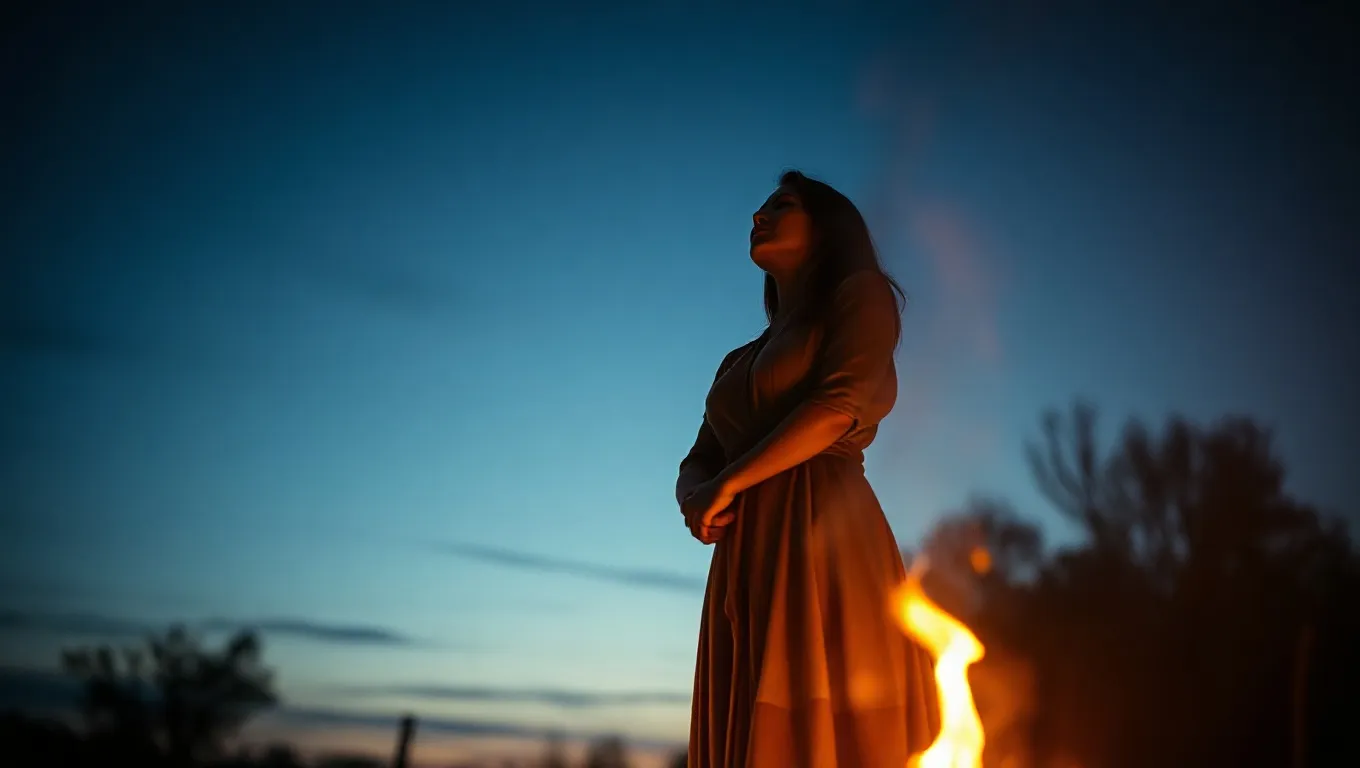
Imagine the woman at the stake. She is vulnerable but also fiercely symbolic. Burning at the stake historically represents persecution, punishment without cause, and a brutal silencing of truth. When this woman appears in the dreams of those sensitive to injustice, she may embody the dreamer’s own experiences—or the collective pain of countless others who have suffered wrongful condemnation.
Why is the burning so central here? Fire, in dreams, can mean destruction but also transformation. For those grappling with injustice, it highlights the harsh emotions burning inside: anger, helplessness, and a desperate cry for fairness. The woman does not just burn; she suffers what feels like unfair judgment—an echo of the dreamer’s waking reality.
This dream often beckons the dreamer to ask difficult questions:
- Are you feeling unfairly targeted or misunderstood?
- Is there a part of your identity or truth being "burned away" by the judgment of others?
- Do you sense a fight between your inner strength and the external forces seeking to diminish you?
Because the woman at the stake represents sacrifice and martyrdom, these dreams may also connect deeply to feelings of standing up against oppression—even if it means personal pain. In this light, the dream could be a call to courage: to endure, to resist, or to reclaim power where injustice tries to strip it away.
For people whose daily lives involve witnessing or experiencing injustice, this dream is not passive imagery. It’s an emotional mirror. The fire and smoke whisper untold stories of suffering, resilience, and the painful journey toward justice.
In essence, the woman burning at a stake in dreams is a stark, haunting portrayal of what it means to be wronged—and a reminder that acknowledgment and transformation can emerge even from the fiercest flames.
14. Fans of Gothic and Horror Genres
For fans of Gothic and horror genres, dreaming of a woman burning at the stake is a potent and layered symbol. It’s not just a terrifying image; it’s a vivid evocation steeped in the themes they cherish—suffering, martyrdom, and the battle between darkness and light.
This dream often conjures the archetype of the tragic heroine—someone persecuted, misunderstood, or punished for defying societal norms. Think of witches, outcasts, or doomed lovers from Gothic tales. The burning at the stake symbolizes both destruction and transformation. Fire, in this context, is a force that annihilates but also purifies.
For these dreamers, the woman on fire may represent a part of themselves. Perhaps a rebellious spirit smoldering beneath conformity. Or an inner struggle with identity and acceptance. The dream challenges them to confront fears of rejection or sacrifice.
The horror genre fans are drawn to macabre beauty and complexity. This dream taps into those emotions—fear mingled with empathy, horror entwined with fascination. It sparks questions: What are we willing to endure for who we are? What burns inside us that the world tries to extinguish?
Ultimately, this symbol in the dreamscape ignites a narrative. It calls on Gothic and horror enthusiasts to explore shadows—not just external horrors, but the internal fires that shape their essence.
15. Individuals Processing Historical Oppression
When individuals processing historical oppression dream of a woman burning at a stake, the imagery is laden with powerful, often painful symbolism. This dream can act as a vivid echo of ancestral trauma, reflecting deep-seated feelings of persecution, sacrifice, and silenced voices.
The woman on fire is not just a random figure. She embodies the very essence of suffering endured by those who came before—often accused, punished, or erased for challenging oppressive systems. For people navigating the weight of historical oppression, this image may raise questions about inherited pain and collective memory.
Why does this woman burn? Is she a martyr? A victim? Or perhaps a symbol of fiery resistance, refusing to be extinguished despite brutal attempts to silence her.
Burning at the stake signifies a violent end, but it is also an act meant to purify or control. For those wrestling with the legacy of oppression, the dream can highlight internal conflicts about identity, survival, and the struggle to reclaim stolen power.
This vision can evoke feelings of fear, helplessness, and betrayal—but also a call to acknowledge and process generations of trauma. It invites introspection: How does this historical suffering shape personal and communal identity today?
Moreover, it can inspire a fierce determination, a reminder that the fire consuming the woman is also the fire of transformation. From ashes rises the possibility of healing and redefinition.
In essence, the dream of a woman burning at a stake is a haunting symbol steeped in the pain of history, but also glowing with the potential for profound resilience and renewal among those confronting the shadows of oppression.