
15 Demographics of People Who Might Dream of Being Unable to Wake or Scream
Want a Personalized Dream Interpretation?
Curious about how people like you interpret this dream symbol? Explore personalized interpretations tailored to your demographic. Get personalized insights for free!
Get Free Interpretation Now →Table of Contents
1. Adults Experiencing Sleep Paralysis
For adults experiencing sleep paralysis, the dream symbol of being unable to wake or scream is particularly vivid and unnerving. Imagine lying there, wide awake in your mind but completely frozen in your body. You want to cry out, to break free—but no sound escapes your lips. This sensation can be chilling.
Sleep paralysis is a state where the mind wakes up before the body. The muscle atonia that normally keeps you from acting out your dreams lingers longer than it should. The result? You become trapped between sleep and wakefulness.
In this liminal space, the dream symbol of helplessness—unable to wake or scream—takes on a heightened emotional charge. It’s not just a passive vision but a real, oppressive experience. The body’s immobility amplifies feelings of vulnerability and panic. You are fully aware but utterly powerless.
For many adults, this symbol taps into deep-seated fears. Fear of losing control. Fear of being isolated. Fear that something dark or unknown is closing in. The mind tries to make sense of this paralysis by conjuring images and sensations—sometimes shadowy figures, pressure on the chest, or an overwhelming sense of dread.
Psychologically, this dream symbol may reflect waking life challenges. Stress, anxiety, and unresolved trauma can surface as this nocturnal inability to react or escape. It’s like the subconscious mind is staging a freeze response to overwhelming overwhelm.
Interestingly, some adults report a paradoxical awareness during these episodes. They know they are asleep or dreaming but remain trapped within their own bodies. This dual awareness can make the experience feel otherworldly, a bridge between the conscious and unconscious.
Through this dream symbol, adults confronting sleep paralysis are invited to explore the edges of control and vulnerability. What does being unable to scream or wake reveal about their waking fears? What might this paralysis symbolize in their day-to-day life?
Engaging with this symbol can be the first step to diminishing its power. By understanding the roots of this terrifying immobility, adults can seek strategies to regain control—whether through grounding techniques, better sleep hygiene, or professional support.
In essence, the symbol of unable to wake or scream in the sleep paralysis context is more than a nightmare. It is a mirror reflecting the tension between consciousness and the body, fear and resilience, captivity and freedom.
2. Teenagers Facing Anxiety Dreams
For teenagers grappling with anxiety, dreaming of being unable to wake or scream is especially intense. These dreams often feel like a trapped moment frozen in time. Imagine wanting to break free but finding your body unresponsive, your voice lost in silence. This helplessness mirrors the all-too-real struggles many anxious teens face daily.
Why does this happen? Anxiety creates a storm inside the mind—racing thoughts, fear, and overwhelming pressure. When asleep, these feelings don’t simply vanish. Instead, they turn into vivid symbols. Being unable to wake or scream can reflect how anxiety muffles a teen’s ability to express themselves or escape stressful situations.
Think about a teenager trying to voice their worries but feeling unheard or misunderstood. Their dream becomes a stage for these frustrations, a silent scream trapped inside. The inability to wake suggests feeling stuck, as if anxiety holds them captive in a cycle they can't break.
But it’s not just about fear. These dreams prompt self-reflection. They nudge teens to ask: What am I avoiding? What feelings am I suppressing? The dream acts as a spotlight on internal battles, pushing for awareness and, hopefully, action.
In essence, being unable to wake or scream during a dream is a powerful metaphor. It captures the quiet, invisible nature of anxiety among teens. And while it feels isolating, it’s also a call to find a voice—even when it feels hardest to speak up.
3. Children with Nightmares and Night Terrors
Children often experience dreams where they are unable to wake up or scream. These unsettling moments can feel very real and frightening. For kids, these dreams are more than just random images—they reflect deep emotions and fears.
Nightmares and night terrors are common in childhood. Unlike adults, children may struggle to process intense feelings during sleep. When a child dreams they can't wake or scream, it’s like their mind is trapped. They want to shout or get out but find themselves silent and frozen. This sense of helplessness can be terrifying.
Why does this happen?
Children’s brains are still developing. Their emotional and cognitive systems are learning to cope with anxiety and stress. Nightmares may be a way for their minds to explore scary feelings safely. Night terrors, often more intense, can leave a child feeling confused and scared after waking.
In these dreams, the inability to scream or wake can symbolize a child’s struggle to express fear or distress in waking life. Sometimes, children face situations they don’t understand or can’t control. The dream mirrors this inner turmoil. The ‘locked-in’ feeling represents frustration over not being heard or protected.
It’s important to note that these dreams do not mean the child is in danger during sleep. Instead, they point to emotional experiences waiting to be addressed. Parents and caregivers should pay attention to these signs. Gentle reassurance and open conversations about fears can help.
In short, a child’s dream of being unable to wake or scream is a window into their emotional world. It reveals worries they hold deep inside but can’t easily share. Understanding these dreams helps create a supportive space where children can feel safe, heard, and comforted.
5. Individuals Suffering from Insomnia
For individuals suffering from insomnia, dreaming about being unable to wake or scream holds a particularly intense and layered significance. This dream symbol often mirrors the real-life struggles these individuals face nightly. Insomnia itself is a battle against the body’s natural rhythms—a desperate quest for rest that remains just out of reach.
When a person plagued by sleeplessness dreams that they cannot wake up, it feels paradoxical. After all, these individuals want nothing more than to be awake—yet, in the dream, they are trapped in a state of unconsciousness or deep sleep they cannot escape. This may reflect their frustration with their own sleep cycle, a subconscious manifestation of feeling powerless against their insomnia.
Similarly, the inability to scream or call out within the dream can symbolize a profound sense of helplessness and isolation. For insomniacs, the silence of the night is often accompanied by internal voices—worries, fears, restless thoughts—that they cannot seem to quiet. The dream’s muteness mimics this trapped internal dialogue, a cry for relief that cannot be heard, even by themselves.
This dream might also represent a mental barrier. People with insomnia often feel stuck in a loop—endless nights of tossing and turning that they cannot interrupt. The dream becomes a metaphor for this imprisonment. The inability to wake or scream captures the sensation of being immobilized by one’s own mind, struggling to break free from a cycle of exhaustion and frustration.
Moreover, such dreams might amplify the sense of vulnerability. Sleep is a state where control is surrendered, and for insomniacs, this loss of control is a source of anxiety rather than peace. In this light, the dream’s paralysis or silence highlights their discomfort with surrendering control, turning rest into a battlefield.
In essence, dreaming about being unable to wake or scream is not just a random nightmare for those battling insomnia—it’s a vivid reflection of their waking reality. It forces them to confront the silent scream inside, the desire to escape from a cycle that feels both endless and imprisoning. Such dreams invite us to explore deeper emotional states tied to restlessness, control, and the often invisible pain of sleepless nights.
6. Pregnant Women Experiencing Vivid Dreams
Pregnant women often experience a whirlwind of emotions and physical changes. These shifts can lead to more vivid and intense dreams. Among these dreams, one common symbol stands out: the sensation of being unable to wake up or scream.
This feeling in a dream can be deeply unsettling. Imagine trying to shout for help but only a silent whisper escapes. Or struggling to open your eyes, but your body feels frozen. For pregnant women, this symbol carries unique significance.
Pregnancy is a time of anticipation, but also of uncertainty and vulnerability. The inability to wake or scream in a dream may mirror the emotions that many expectant mothers face. They might feel trapped by their changing bodies or overwhelmed by their new responsibilities. The silence in the dream reflects a fear of not being heard or understood in waking life.
Additionally, hormonal fluctuations during pregnancy can heighten sensitivity to stress. The dream could be the mind’s way of processing anxieties related to childbirth or motherhood. It can symbolize the struggle to assert control when so many things feel unpredictable.
What makes this symbol even more poignant for pregnant women is the physical immobility in dreams, which can parallel the discomfort or restrictions they feel during pregnancy. The dream serves as a metaphor for feeling stuck—even when the mind is active, the body feels restrained.
These dreams offer a glimpse into the subconscious signals pregnant women might be sending to themselves. They prompt reflection about emotional needs, fears, and desires for support.
Understanding these dreams can be empowering. Recognizing that the inability to wake or scream symbolizes deeper feelings encourages expectant mothers to seek connection, reassurance, and self-care in their waking hours. It’s not just a fearful image—it’s a call for compassion, both inward and outward.
7. Elderly Adults with Sleep Disorders
Dreams where one is unable to wake up or scream can be especially vivid and distressing for elderly adults with sleep disorders. These dreams often feel paralyzing, as if the dreamer is trapped within their own mind, desperate to break free but utterly powerless.
For elderly individuals, this symbol can resonate deeply. Many face physical limitations during the day, which might translate into feelings of helplessness during sleep. When combined with sleep disorders like insomnia or sleep apnea, the experience intensifies. The brain is exhausted but restless, creating a fertile ground for these immobilizing dreams.
The inability to scream or wake up during a dream may reflect underlying anxieties common in older adults: concerns about health, loss of independence, or fears about mortality. Such dreams can act as a subconscious echo of these fears. They serve as a mirror to waking frustrations—wanting to communicate distress or regain control, but being unable to do so.
Sleep disorders play a crucial role here. Interrupted or poor-quality sleep fragments the transitional phases between dreaming and waking. This fragmentation can make it harder for the mind to “escape” the dream state, leading to a sensation of being stuck. The brain simultaneously processes wakefulness and REM sleep, resulting in sleep paralysis-like episodes within the dream itself.
In short, for elderly adults with sleep disorders, the dream symbol of being unable to wake or scream is more than just a nightmare. It’s a poignant expression of their daily struggles, fears, and the tensions between mind and body. Understanding this symbol offers a window into their internal world—a space where fear, frustration, and the craving for control all converge, wrapped in the enigmatic veil of sleep.
8. People Under High Stress or Work Pressure
For people living under high stress or intense work pressure, dreaming about being unable to wake up or scream often feels deeply unsettling. But what makes this symbol so common—and so telling—in their nighttime narratives?
At its core, this dream mirrors the very real sensation of being trapped. Imagine bearing the weight of deadlines, endless emails, or overwhelming responsibilities. During the day, you might push through, suppressing anxiety and frustration. Yet, in sleep, these bottled-up emotions find a stage. The paralysis you feel in the dream reflects that sense of powerlessness—when every attempt to break free or call out falls silent.
Why can’t you wake or scream in the dream? This stems from the body’s actual mechanism during REM sleep, where muscles temporarily paralyze to prevent you from physically acting out dreams. But when you’re under chronic stress, this natural paralysis can collide with mental turmoil, creating a vivid experience of being stuck or unheard.
For the high-pressure worker, the symbolism is striking. It’s not just a dream; it's your subconscious spotlighting a crisis. You might feel voiceless or immobilized at work, despite your efforts. Deadlines loom like invisible chains. The inability to scream or wake becomes a metaphor for suppressed emotions—stress, burnout, or a plea for help that goes unnoticed.
Moreover, these dreams can serve as urgent reminders. Your mind nudges you to acknowledge your limits. To seek balance. To find ways to decompress before the line between waking pressure and sleeping paralysis blurs completely.
So, when someone juggling heavy stress wakes from a dream where they can’t scream or shake free, it’s worth pausing. This dream is less about fantasy and more about reality’s grip—and a powerful signal to breathe, reflect, and maybe reclaim some control.
9. Mental Health Patients with Recurring Nightmares
For mental health patients who experience recurring nightmares, the dream symbol of being unable to wake or scream carries profound and complex meanings. It’s as if their subconscious is shouting through a barrier of silence and immobility, echoing feelings that often extend into their waking lives.
Imagine lying trapped in the paralysis of a nightmare, desperate to cry out but met only with silence. This sensation mirrors real-world experiences of helplessness and emotional entrapment common in many mental health conditions. The inability to wake or scream often symbolizes a perceived lack of control—both over the dream and, more crucially, over one’s inner turmoil.
For these individuals, nightmares aren’t just bad dreams; they are vivid reminders of trauma, anxiety, or depression that keeps looping in the mind. The repeated failure to escape or make noise in dreams can represent an ongoing struggle to express pain or seek help when awake. It’s like the subconscious is illustrating the frustration of being unheard or unseen.
This dream symbol also links closely with sleep paralysis, which many mental health patients report experiencing more frequently. The terrifying fusion of waking and sleeping states can intensify feelings of vulnerability. Here, the dream becomes a kind of invisible prison—where mind and body are out of sync, and panic amplifies.
Yet, there’s something powerful about this symbol. It uncovers the raw edge of suffering and a need for release. Recognizing it within recurring nightmares can prompt deeper conversations about what’s really silenced beneath the surface. It asks, subtly but insistently: What are you unable to express? Who do you feel unable to reach?
In essence, the dream symbol of being unable to wake or scream for mental health patients is a haunting, visceral metaphor. It exposes the inner stifling and the desperate cry for freedom—offering a painful, but important glimpse into the psyche’s shadowy corridors.
10. Individuals with Sleep Apnea
For individuals with sleep apnea, the dream symbol of being unable to wake or scream takes on a profoundly haunting significance. Imagine drifting through the haze of sleep, only to find yourself trapped—silent, immobilized, desperate to break free, yet utterly powerless. This is not just a nightmare; it is a visceral echo of their waking reality.
Sleep apnea, characterized by repeated pauses in breathing during sleep, often leads to interrupted sleep cycles and chronic exhaustion. Those who suffer from it awaken frequently—sometimes gasping, sometimes silently battling for air. So, when these individuals dream of being unable to wake or scream, it reflects more than just subconscious fears. It mirrors the very oppression of their own bodies’ struggles at night.
The sensation of being mute or paralyzed in a dream intertwines with the real-life difficulty of drawing breath. It’s as if the mind recreates the suffocating grip of sleep apnea’s interruptions. This dream might embody their frustration, helplessness, and anxiety—feelings they carry into their subconscious realm.
Moreover, such dreams can feel vividly terrorizing. The inability to scream or awaken, often labeled as sleep paralysis, is a phenomenon more frequently experienced by those with disrupted sleep patterns—like sleep apnea patients. This increases the likelihood of sleep paralysis episodes, where consciousness flickers at the threshold of wakefulness, while the body remains frozen.
For these individuals, the dream gestures toward a desperate yearning for control—a fight against the invisible chains of their condition. It also signals an alert, hinting that the body and mind are both screaming for relief, even if no sound emerges.
In essence, dreams of unable to wake or scream in sleep apnea sufferers serve as a haunting bridge between the physical challenges endured in sleep and the psychological toll they carry. They are not mere figments of imagination but deeply woven symbols of distress, struggle, and the desire for liberation.
11. Shift Workers and Their Dream Patterns
For many shift workers, the boundary between sleep and wakefulness feels fragile. Their unique schedules disrupt natural circadian rhythms. This disruption often seeps into their dream life, coloring it with vivid, sometimes unsettling experiences. One such common dream symbol is the sensation of being unable to wake up or scream.
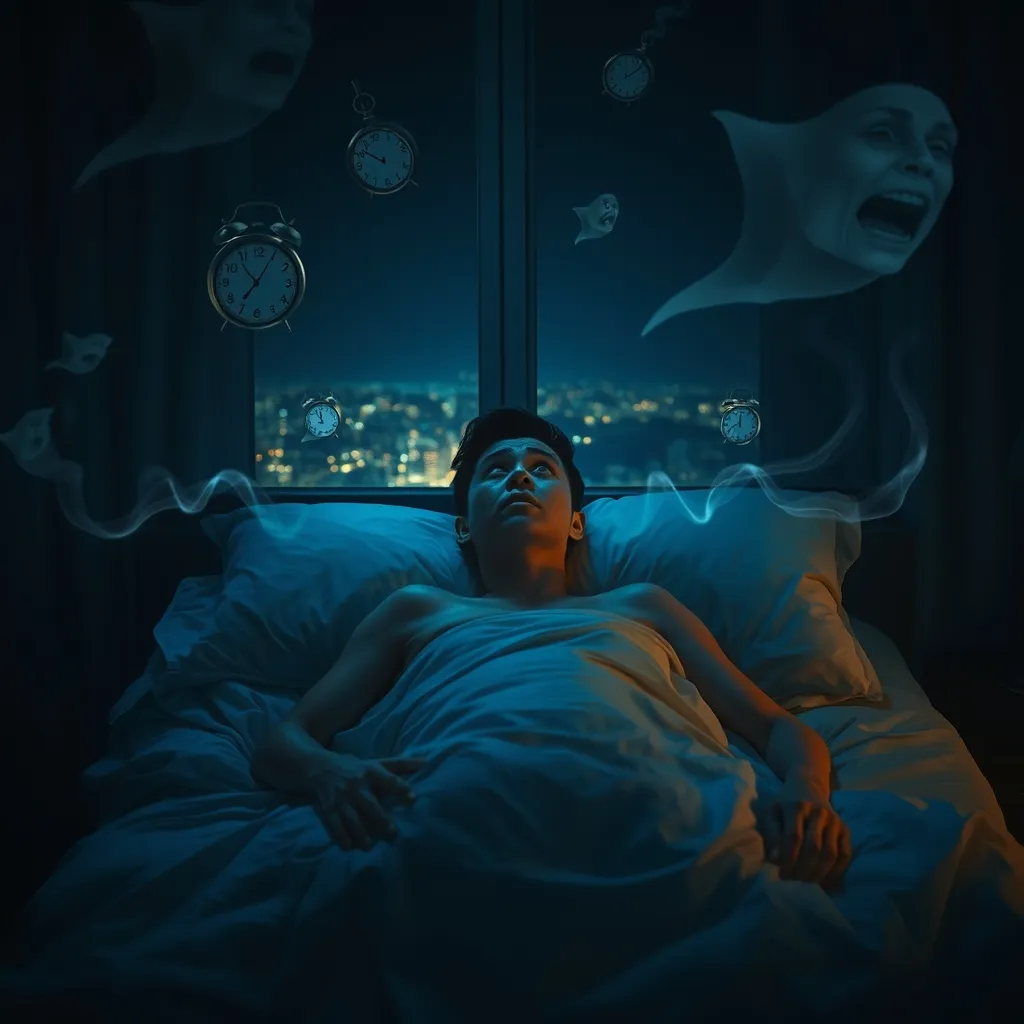
Why does this happen? Shift workers frequently battle exhaustion and fragmented sleep cycles. These conditions can trigger episodes resembling sleep paralysis—a state where the mind is awake but the body remains immobile. In dreams, this paralysis often translates into the terrifying feeling of being trapped, unable to scream for help or break free.
But the symbolism runs deeper. For shift workers, these dreams may represent more than just sleep mechanics. They mirror feelings of helplessness in waking life. The inability to “wake” or “scream” might echo the frustration of enduring long, lonely hours. It reflects a struggle to assert control—whether over unpredictable schedules, demanding work environments, or social isolation.
Moreover, these dreams hint at the inner conflict between rest and responsibility. Shift workers often sacrifice proper rest to meet job demands. Their subconscious mind, caught in this tension, dramatizes it through paralyzed screams and frozen bodies.
In this way, the dream becomes a powerful metaphor. It asks: How do you reclaim your voice? How do you wake yourself from exhaustion’s grip?
Understanding this symbol can empower shift workers to acknowledge their fatigue and emotional state. It might encourage healthier sleep habits or seeking support. Ultimately, these haunting dreams signal an urgent need for balance—a reminder that rest is not just passive sleep, but an active rescue of mind and body.
12. College Students Experiencing Academic Stress
Dreams where one is unable to wake up or scream often leave a lingering sense of helplessness. For college students grappling with academic stress, this symbol carries a deeper, more urgent meaning.
Imagine being trapped in a nightmare, your mouth open but no sound comes out. You struggle to move, to call for help, but your body feels frozen. This sensation mirrors the very real pressure many students face daily. Academic challenges pile up like an insurmountable mountain. Deadlines, exams, and projects crowd their minds relentlessly.
In these dreams, the inability to wake or scream may reflect feelings of being overwhelmed. It's like their subconscious is shouting, "You're stuck! You can't escape this." Students may feel voiceless in their struggles. Despite wanting relief or support, they might believe no one hears them or understands their burden.
This symbol also highlights the paralysis caused by stress. When academic demands become too intense, students can feel immobilized. Their motivation drains, anxiety spikes, and decision-making freezes. The dream captures this freeze in a vivid, emotional way.
Moreover, the dream might signal a need to break free. The silent scream is a call for help—an urge to confront what’s holding them captive. It invites reflection: What pressures can they release? Who can they reach out to? How can they regain control?
For college students under strain, these dreams are not just scary—they are messages. They reveal the inner battle between overwhelming demands and the deep desire to find peace and agency.
Understanding this can be the first step toward change. Recognizing the dream’s symbolism opens a door. It encourages these young adults to acknowledge their stress, seek support, and find ways to “wake up” from their academic nightmare.
13. Creative Professionals with Intense Dream Lives
For creative professionals with intense dream lives, the sensation of being unable to wake or scream in a dream holds a uniquely potent meaning. These individuals often experience vivid, immersive dreams that blur the lines between reality and imagination. When they encounter this particular symbol, it’s rarely just a random glitch in their subconscious—it’s a charged signal demanding attention.
Imagine the frustration: your mind is bursting with ideas, stories, and colors, yet inside the dream, your voice is trapped, mute, and your body frozen. For a creative mind, this can evoke feelings of profound creative blockage. It’s as if the very source of expression—the scream or the awakening—is denied, mirroring moments in their waking life when ideas or emotions feel similarly stifled.
This symbol can also hint at a deeper Fear of invisibility or voicelessness. Creative professionals rely on being heard and seen. A dream where they cannot scream may reflect anxieties about their work going unnoticed, or struggling to communicate complex internal worlds. It’s a night-time manifestation of a daytime challenge: being unable to break through the noise, to make their vision truly resonate.
Yet, there is a paradox here. The intense dreamer, rich in internal narrative, faces a scenario where their inner voice is silenced. This invites a question: what is the dreamer refusing to hear or express within themselves? The inability to wake might suggest resistance to confronting a truth or taking action. The paralysis and silence become symbols of internal conflict—between self-expression and self-censorship.
For creative minds, such dreams can be a powerful nudge. They highlight the urgency to discover new channels for voice and movement—whether it’s through fresh artistic endeavors, collaborations, or personal breakthroughs. Instead of simply a nightmare, these moments serve as cryptic yet vital calls to liberate the creative spirit locked within.
In essence, the helplessness felt in the dream is not just about fear. It’s about the tension of boundless imagination struggling desperately to break free, but feeling tethered. Understanding this dream symbol allows creative professionals to explore their hidden blocks, encouraging transformation beyond the dreamscape and into their waking artistic journey.
14. People Using Medications Affecting Sleep
Dreams where individuals find themselves unable to wake or scream can be particularly unsettling. For people using medications that affect sleep, these experiences might carry unique meanings and implications.
Medications such as sleeping pills, antidepressants, or certain antipsychotics are known to alter sleep architecture. They can suppress REM sleep or change its quality. Since REM sleep is when vivid dreaming often occurs, these drugs might intensify feelings of paralysis or panic within dreams. This can explain why some users feel trapped in dreams, unable to break free or make a sound.
In these cases, the dream symbol of being unable to wake or scream may reflect more than just fear. It can hint at a deeper disconnection between mind and body caused by the medication. The dreamer’s brain is active, generating emotions and images, but physical movement or vocalization is inhibited, sometimes more than usual.
Moreover, this dream might reveal the medication’s side effects manifesting through subconscious stress. When the body is chemically restrained or altered, the mind can push back, creating a symbolic representation of helplessness. It’s as if the dream is echoing the physical sensation of being “frozen” or “muted” in waking life.
On an emotional level, these dreams might express frustration or anxiety about dependence on medication. The inability to wake or scream could be a metaphor for feeling stuck within a treatment regimen or unable to voice concerns about one’s health or side effects.
Interestingly, these dreams could also prompt users to reevaluate their medications or sleep environment. Talking openly with healthcare providers about such dream experiences may reveal important clues about how treatment affects mental well-being.
In sum, for people using sleep-affecting medications, the symbol of not being able to wake or scream in dreams is a vivid signal. It blends neurological influences with emotional undertones, revealing the complex dance between mind, body, and medicine during sleep.
15. Night Shift Healthcare Workers' Sleep Experiences
For night shift healthcare workers, the dream symbol of being unable to wake or scream holds a deep, unsettling resonance. These individuals battle relentless demands, unpredictable emergencies, and the heavy responsibility for human lives—all while their bodies crave rest during daylight hours. It’s no surprise their minds may replay this tension in sleep, manifesting as frightening episodes where escape seems impossible.
Imagine lying trapped in a dream, your voice locked away, your efforts to wake futile. For night shift healthcare workers, this isn’t just a random nightmare. It echoes the profound exhaustion that envelopes them after long, draining shifts. Their bodies and minds signal a desperate need for release, yet the pressures of their profession often leave them feeling powerless, both awake and asleep.
The sense of being unable to scream reflects more than fear—it mirrors real experiences of feeling voiceless amid chaotic hospital corridors. Their work environment demands calm, composure, and swift action, but often, internal anxieties and unspoken stresses build up. This dream symbol becomes a haunting metaphor for suppressed emotions and unresolved distress.
Likewise, the inability to wake can symbolize the blurred boundary between rest and alertness these workers endure. Night shifts invert natural circadian rhythms, creating a constant battle to stay responsive. Dreaming of paralysis or silence may expose the subconscious struggle to 'wake' from fatigue and mental overload—an emotional limbo where exhaustion freezes control.
In this light, the dream of being unable to scream or wake is a raw, vivid reflection of night shift healthcare workers’ lived realities. It invites us to question: How often do these caregivers’ silent battles go unnoticed? What happens when the mind desperately signals distress but is unheard? Exploring this symbol sheds light on the crucial need for emotional support and restorative rest in a profession defined by sacrifice and vigilance.
Back to interpretation of unable to wake or scream