
20 Demographics of People Who Might Dream of the Dream Symbol: Holy Man and False Festival
Want a Personalized Dream Interpretation?
Curious about how people like you interpret this dream symbol? Explore personalized interpretations tailored to your demographic. Get personalized insights for free!
Get Free Interpretation Now →Table of Contents
1. Spiritual Seekers and Devotees
For spiritual seekers and devotees, dreams featuring a holy man often carry profound significance. The holy man symbolizes wisdom, guidance, and a connection to higher truths. When such a figure appears in a dream, it may represent an inner call toward deeper spiritual understanding or a confirmation of one’s current path. It’s as if the subconscious mind is inviting the dreamer to heed the lessons the holy man imparts—lessons about faith, humility, or enlightenment.
But there’s often a twist. The presence of a holy man can also prompt questions. Is this figure truly a guide… or a symbol of something less pure? This is where the image of the false festival comes into play.
A false festival is a vivid, colorful celebration that feels hollow or misguided. For the spiritually inclined, dreaming of a false festival raises a red flag. It asks: Are you being distracted by superficial displays? Are you mistaking empty rituals or false teachings for genuine spiritual joy?
Together, these symbols invite deep reflection. They challenge seekers to distinguish between authentic spiritual insight and misleading appearances. The holy man beckons toward truth. The false festival warns against illusion.
In this dynamic, dreams act like inner maps, guiding believers through their spiritual journey. They urge spiritual seekers and devotees to question, to discern, and to awaken to truths beyond the obvious.
What is your spiritual heart truly seeking? And what distractions might be clouding that path? These dreams do not just show visions—they spark an inner dialogue, urging growth and authentic devotion.
2. Religious Practitioners and Clergy
For religious practitioners and clergy, dreams featuring a holy man or a false festival carry profound and often complex meanings. These symbols resonate deeply, touching on both personal faith and communal spirituality.
When a holy man appears in their dreams, it often acts as a mirror to their own spiritual responsibilities and challenges. Is the holy man a figure of guidance or judgement? Sometimes, this figure represents an ideal—an embodiment of the wisdom and holiness to which they aspire. Other times, it can be a reflection of inner doubts, urging self-examination or a call to deepen their commitment.
The image of a holy man can also symbolize divine communication. For clergy, such dreams might suggest a message or insight from a higher power. It invites them to listen more carefully—to discern truth hidden beneath routine and ritual.
In contrast, a false festival in a dream stirs a different set of emotions. Festivals are usually times of joy, celebration, and unity. But a “false” festival hints at deception and discontent beneath the surface. For those devoted to faith, this can trigger concerns about hypocrisy, spiritual emptiness, or moral compromise within their community or even within themselves.
The false festival challenges religious practitioners to ask tough questions. Is the joy real or merely a facade? Are the rituals being performed with genuine faith or just out of obligation? This symbol may reveal anxieties about authenticity—both in personal practice and in the larger religious institution.
Together, these symbols—the holy man and the false festival—create a powerful tension in dreams. They invite clergy and religious workers to reflect on the balance between true spirituality and outward appearances. These dreams underscore the sacred journey: striving for holiness while guarding against illusion.
In essence, such dreams serve as a spiritual compass. They provoke thought, encourage vigilance, and inspire continuous growth on the path of faith.
3. Psychology and Dream Analysis Enthusiasts
Dreams featuring a holy man and a false festival can be captivating puzzles, especially for those deeply invested in psychology and dream analysis. These symbols don’t just float through our subconscious randomly; they carry layered meanings that invite a closer look.
First, consider the holy man. To psychology enthusiasts, this figure often embodies authority, wisdom, or inner guidance. But why a holy man? Dreams might project this archetype when the dreamer is wrestling with moral questions or seeking some form of spiritual clarity. It’s like the mind placing a wise mentor on the stage of the subconscious, prompting reflection on one’s values or belief systems.
Yet, the holy man isn’t always a symbol of pure truth. Sometimes, particularly when paired with the idea of a false festival, there’s a tension between appearance and reality. A false festival suggests a celebration devoid of genuine joy or meaning—an illusion or social façade.
For those fascinated by dream analysis, this pairing raises intriguing questions: Is the dream warning against blind faith or deceptive leaders? Could it reflect internal conflict between authentic spirituality and superficial rituals? The “false festival” might symbolize a community or personal experience where things look vibrant but feel hollow underneath.
Psychologically, this duo can mirror the ambivalence many feel toward institutions or traditions. The holy man might represent dogma or unquestioned authority, while the false festival signals disillusionment, a need to peel back layers and uncover deeper truths.
In sum, for enthusiasts eager to dive beneath the surface, these dream symbols urge us to challenge the masks we—and society—wear. They invite a journey not only into the personal psyche but into cultural narratives about faith, truth, and authenticity.
4. Cultural and Anthropological Researchers
For cultural and anthropological researchers, dreams featuring a holy man and a false festival offer a fertile ground for exploration. These symbols ripple with layers of meaning shaped by cultural contexts and social structures.
A holy man in dreams often embodies authority, spirituality, or moral guidance. For researchers immersed in studying societies, this figure can reflect how communities perceive sacred leadership or moral ideals. But why does this figure emerge in dreams? It may signal an internal dialogue about tradition versus modernity, or personal struggles with ethical dilemmas shaped by one’s cultural milieu.
Now, consider the false festival—an intriguing paradox. Festivals usually symbolize celebration, community, and cultural identity. But when tagged as “false,” the festival becomes a mask, a performance hiding underlying dissonance. For anthropologists, this might mirror illusions of unity or pretend harmony within a culture or social group. It beckons questions: Is this festival a critique of social rituals that no longer hold genuine meaning? Does it unmask hypocrisy in communal celebrations, or point to cultural anxieties about authenticity?
When these two symbols appear together in the dreams of individuals entrenched in cultural studies, the interplay becomes even more compelling. The holy man may represent the authentic or idealized spiritual core. Meanwhile, the false festival could signify the superficial or constructed festivities that society performs.
This juxtaposition encourages researchers to probe deeper. Are these dreams subconscious commentaries on the tension between true belief and performative religiosity? Between sacred traditions and the commodification of culture? Such dream symbols open a window into how researchers personally negotiate their professional insights with their cultural experiences.
In essence, for cultural and anthropological researchers, dreams of a holy man and a false festival are not just symbolic puzzles. They are reflections of their unique position—straddling observation and personal identity. These dreams invite ongoing questioning: How do we, as observers, internalize the very cultures we study? How do these symbols influence our understanding of authenticity, power, and social spectacle within human societies?
5. People Experiencing Spiritual Conflicts
Dreams featuring a holy man and a false festival carry deep, often unsettling messages for those caught in spiritual conflicts. For people wrestling with their faith, beliefs, or spiritual identity, these symbols can stir profound inner turmoil.
Imagine seeing a holy man in your dream. He represents guidance, wisdom, and perhaps a higher moral calling. But what if this figure feels distant, or his presence stirs doubt rather than comfort? For someone in spiritual turmoil, this holy man is not just a beacon. He becomes a mirror reflecting their own confusion and fears about spiritual authenticity or integrity.
Now consider the false festival. Festivals are typically symbols of joy, community, and celebration. But the "false" nature twists this image. It suggests deception, superficiality, and hollow rituals. For a person struggling spiritually, this may symbolize the external facade of faith—beliefs or practices that look vibrant on the surface but lack true meaning or sincerity beneath.
Why combine these two symbols in one dream?
It could highlight a painful clash. The holy man might represent the ideal or truth they yearn for. The false festival exposes the dissonance they feel in their current spiritual environment. It’s a vivid portrayal of the conflict between what they desire spiritually and what their experiences have delivered.
These dreams ask tough questions:
- Who or what am I truly following?
- Are my beliefs authentic, or am I caught in empty traditions?
- Is my spiritual path genuine, or am I participating in a deceptive show?
For spiritual conflict sufferers, these symbols are not just images; they are calls for introspection. These dreams urge them to examine the roots of their faith and the sincerity of their spiritual journey.
Ultimately, a holy man and a false festival in a dream serve as a powerful narrative. They tell a story of struggle—between truth and illusion, faith and doubt, authenticity and facade. Recognizing this can be the first step toward resolving inner confusion and moving toward spiritual clarity.
6. Individuals Facing Moral Dilemmas
When individuals facing moral dilemmas dream of a holy man, the image often carries a weight far beyond simple spirituality. It’s not just about faith or religion. Instead, the holy man symbolizes an inner guide—or perhaps a strict moral compass that they are either seeking or struggling against. This figure may represent the voice of conscience, urging a person toward truth and integrity.
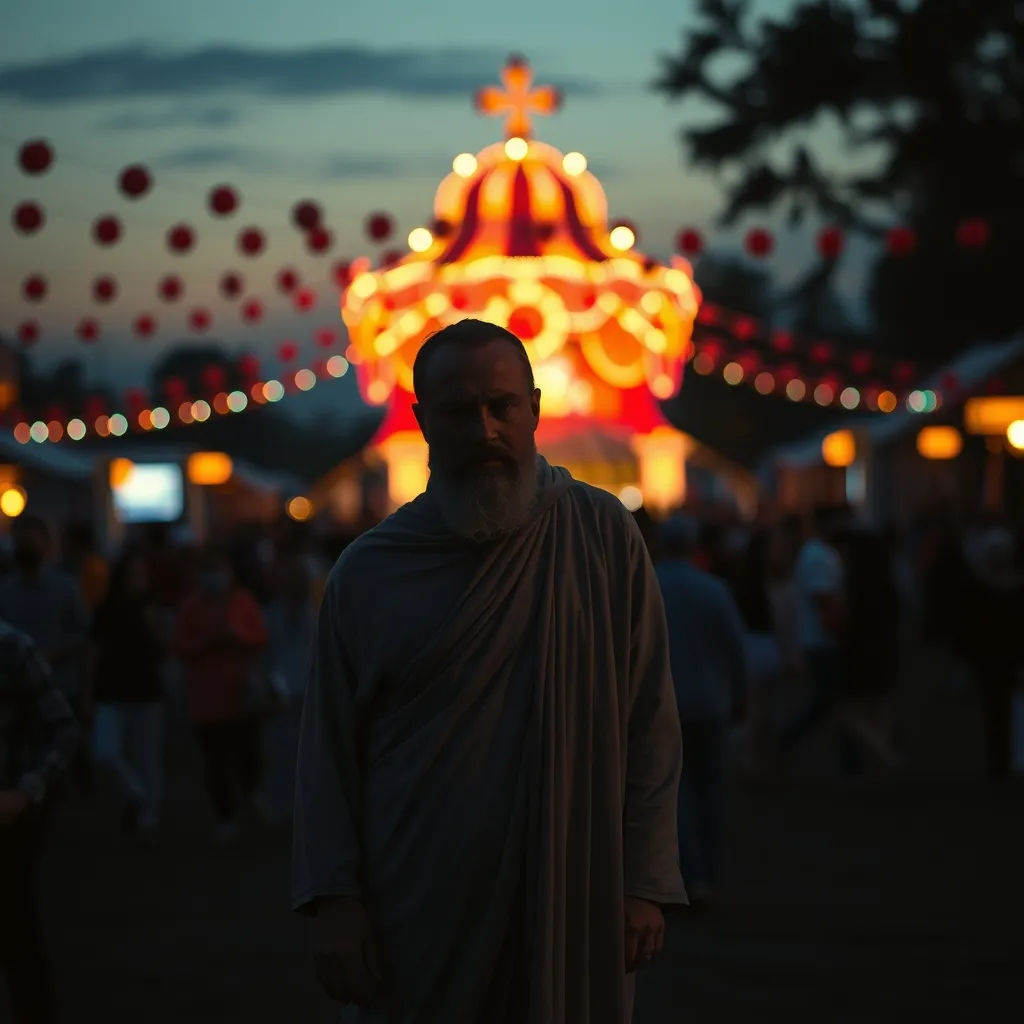
But here’s the twist: the holy man in these dreams can be both comforting and confronting. For someone grappling with tough ethical choices, the holy man might offer reassurance, a sense of clarity amid confusion. On the other hand, he might appear stern or distant, reflecting the pressure and judgment they feel from their own sense of right and wrong.
Dreaming of a false festival adds another layer of complexity. A festival usually evokes joy, community, and celebration. But when it’s false in a dream, it hints at deception, superficiality, or the denial of one’s true feelings. For someone facing moral uncertainty, this false festival might reflect internal conflict—a façade they put on to mask guilt, doubt, or fear.
It’s as if the dream is asking: Are you celebrating something hollow? Are you distracted by appearances rather than confronting the real issues? The vibrancy of the festival contrasts sharply with an undercurrent of emptiness or falsehood. This tension mirrors the dreamer’s struggle in waking life—between what feels right and the temptation to compromise.
Together, the holy man and the false festival create a vivid narrative of inner turmoil. One calls for honesty and moral courage, the other warns against deceit and self-delusion. For those caught in the grip of moral dilemmas, these symbols invite deep reflection.
Why does the holy man stand apart from the crowd?
What truths lie beneath the laughter of the false festival?
In dreams, these symbols urge you to look closer. To question where you place your trust. And to find the strength to choose a path aligned with your deepest values.
7. Festival-Goers and Event Participants
Dreams featuring a holy man and a false festival hold unique significance for festival-goers and event participants. These individuals are often immersed in vibrant social experiences, making such symbols deeply resonant.
Imagine you’re at a crowded festival. The air buzzes with excitement. Suddenly, a holy man appears in your dream—serene, wise, and radiating calm amidst chaos. For festival enthusiasts, this figure can represent a quest for deeper meaning beyond the surface-level fun. It’s as if your subconscious whispers: "Look closer. Find purpose in the revelry."
The holy man might embody the desire to connect with something sacred during moments typically filled with noise and distraction. If you chase concerts, fairs, or spiritual gatherings, this symbol encourages introspection. Are you merely enjoying the spectacle? Or are you searching for transformation and insight amid the celebrations?
Now, consider the false festival. This symbol often feels jarring—an unsettling party where joy seems counterfeit. For event participants, this suggests caution. It hints at experiences that promise excitement but lack authenticity. Have you encountered gatherings where the energy felt forced, or the joy superficial?
Dreaming of a false festival may reflect doubts about social circles or events that seem too good to be true. It’s a call to discernment. Not every party or celebration holds genuine promise. Sometimes, the colors fade, and the laughter masks emptiness.
Together, the holy man and false festival create a vivid contrast. The holy man invites spiritual clarity; the false festival warns against illusion. For those who live for the thrill of festivals and communal events, these dream symbols ask profound questions:
- Are your celebrations nourishing your soul or merely entertaining the ego?
- Do you seek real connection or get lost in hype?
Such dreams offer a powerful mirror. They urge festival-goers to balance the external excitement with inner truth. In your next event, might you find the sacred within the noisy spectacle? Or will you spot the false festival and choose a path of authenticity instead?
8. Fans of Symbolic and Mythological Dreams
For fans of symbolic and mythological dreams, the symbols of a holy man and a false festival strike a profound chord. These images are rich with metaphor and invite deep reflection.
Imagine encountering a holy man in your dream. This figure often represents wisdom, spiritual guidance, or an inner quest for truth. But for this demographic, the holy man is not just a simple sage. He is a bridge between the mundane and the mystical. Someone who holds ancient knowledge and hidden mysteries. He may challenge beliefs or reveal unseen realms.
Dreaming of a holy man can signal an awakening. It’s a call to examine your spiritual path. Are you seeking authentic meaning, or are you trapped in surface-level rituals? The holy man’s presence urges you to peel back layers and look beyond illusions.
Now consider the image of a false festival. At first glance, festivals conjure celebration, joy, and communal harmony. But a false festival? This flips that expectation upside down. It’s a gathering shrouded in masks and deception. An elaborate facade where true feelings are hidden beneath forced smiles and hollow cheers.
For those who love symbols and mythology, a false festival can symbolize betrayal, disillusionment, or societal hypocrisy. It warns of times when appearances deceive—when collective joy is manufactured but emptiness lurks underneath. This dream invites you to question: what festive rituals in your life are merely performances?
Together, the holy man and false festival form a potent contrast. One represents genuine spiritual insight, the other a misleading spectacle. Dreaming of both may highlight a tension between authentic faith and superficial show. It’s a call to discern truth from façade, to seek substance over empty display.
Fans of symbolic dreams will find endless layers here to unravel. These symbols challenge you to look inward and question the narratives you accept. They remind us that the spiritual journey is rarely simple, often tangled with falsehood and illumination alike.
9. Followers of New Age and Esoteric Beliefs
Dreams about a holy man and a false festival carry unique layers of meaning, especially for followers of New Age and esoteric beliefs. These symbols often invite introspection on spiritual authenticity and personal growth.
A holy man in these dreams often represents a guide or higher wisdom. For New Age followers, this figure might symbolize an inner guru or a source of esoteric knowledge. It's not always about an external deity but a deeper connection to universal truths. Seeing a holy man could indicate a call to trust your intuitive insights or awaken latent spiritual abilities. It’s like your subconscious is urging you to seek clarity beyond the physical world.
But what about a false festival? This symbol is intriguing and somewhat paradoxical. Festivals usually signify celebration, joy, and community. Yet, a false festival hints at deception or illusion. For those immersed in esoteric exploration, it could represent the apparent distractions on the spiritual path—rituals and gatherings that look meaningful but lack genuine depth or sincerity. It’s a subtle warning. Are you caught up in spiritual materialism or superficial practices that mask true enlightenment?
Together, these symbols provoke a fascinating dialogue. The holy man suggests authentic spiritual wisdom. The false festival warns against hollow appearances. For the New Age dreamer, this combination might reflect tension between genuine inner awakening and external spiritual facades.
This dream could be pushing you to discern carefully. Who or what truly nourishes your soul? What spiritual “celebrations” are merely empty displays? By reflecting on these symbols, followers can refine their spiritual journey—favoring inner truth over outer show.
Ultimately, dreaming of a holy man and a false festival nudges the New Age seeker toward greater spiritual clarity. It’s an invitation to peel back illusions and honor the sacred wisdom that lives within. Are you ready to look beyond the masquerade and embrace the authentic light?
10. Individuals Coping with Deception or Betrayal
For individuals coping with deception or betrayal, dreaming of a holy man can be profoundly symbolic. In waking life, a holy man often represents wisdom, purity, and guidance. But in the context of betrayal, this figure may embody a yearning for truth and moral clarity amidst the chaos of broken trust. The holy man in their dream might feel like a beacon of hope — a reminder that integrity still exists even when it’s been shattered around them.
Yet, there’s an intriguing layer here. Sometimes, this holy man could also signal the dreamer’s internal conflict. Are they seeking solace or absolution? Or perhaps they are confronting their own feelings of guilt or complicity. The dream stirs questions: Who can be trusted now? What beliefs remain unshaken?
Turning to the false festival, the imagery becomes even more revealing. Festivals are typically scenes of joy, community, and celebration. But when the festival is “false,” it twists these connotations. For someone wounded by betrayal, a false festival in a dream might highlight the facade they perceive in their waking world. It’s the uncomfortable recognition that not all smiles are sincere. Beneath the laughter lies deception, hollow interactions, or even deliberate deceit.
This dream symbol can evoke a deep sense of alienation. The dreamer might feel like an outsider at a party where everyone plays a part, masking their true intentions. It challenges them to question: Which relationships or situations in their life are genuine, and which are merely smoke and mirrors?
Together, the holy man and false festival weave a powerful narrative for those grappling with trust issues. The holy man offers a hint of authentic guidance or truth. Meanwhile, the false festival exposes the deceitful undercurrents that caused pain. Both symbols invite the individual to reflect not only on external betrayals but also on their internal journey toward healing and discernment.
11. Students of Comparative Religion
In the minds of students devoted to Comparative Religion, dreams rarely drift into the realm of the mundane. When these students dream of a holy man, the image often pulses with layered significance. It’s not just a figure of piety or wisdom. Instead, it embodies their deep quest for spiritual truth and authentic insight.
The holy man in their dreams often acts as a guide—sometimes gentle, other times inscrutable. He might symbolize the aspiration to grasp complex religious philosophies. Or perhaps, he represents an inner mentor urging them to question dogmas and look beyond surface meanings. Given their intense academic scrutiny of diverse faiths, this figure could also highlight the tensions they face between faith and critical analysis.
Now, what about the false festival? Here lies a powerful paradox that sparks curiosity. Festivals are usually vibrant, filled with communal joy and sacred rituals. But in the dreamscape of these students, a false festival might unravel those very ideals. It could symbolize the spectacle of superficial religiosity—celebration without substance, ritual without reverence.
Students of Comparative Religion, who peel back layers of tradition to understand what lies beneath, might see the false festival as a critique of performative belief systems. It can ignite questions about authenticity in religious practice. Are these celebrations truly meaningful? Or are they hollow displays driven by social pressure or cultural inertia?
Together, the holy man and the false festival in their dreams offer a compelling exploration. One figure invites genuine wisdom; the other warns against illusion. For these students, such dreams may mirror their intellectual and spiritual struggles—searching for truth while navigating a world crowded with both sanctity and façade.
Could these symbols be urging them to differentiate authentic spirituality from empty ritual? To trust inner discernment over external spectacle? The subtle tension invites ongoing reflection, making these dreams fertile ground for personal and academic growth.
12. People Recovering from Spiritual Disillusionment
When people recovering from spiritual disillusionment dream of a holy man, the symbol often stirs a potent mix of hope and skepticism. This figure, traditionally a beacon of wisdom and guidance, can represent the seeker’s deep yearning for authentic spiritual clarity after feeling betrayed or lost. In these dreams, the holy man might appear calm and composed, embodying the ideal mentor the dreamer wishes to find—or he could seem distant, enigmatic, or even unreachable, reflecting the dreamer’s current struggle to trust any spiritual authority.
The holy man in such dreams acts as a mirror. He reflects the dreamer’s own inner quest for truth. At the same time, he challenges them to discern genuine wisdom from illusion. For someone who has been disillusioned, this image is rarely simple or purely comforting. Instead, it invites questions like: Who can I really trust? and What does true spiritual guidance look like? The dream might not provide clear answers but encourages ongoing exploration.
On the other hand, dreaming of a false festival holds a more cautionary tone. Festivals are usually symbols of joy, community, and celebration. Yet, when the festival is "false," it uncovers layers of deception and hollow rituals. For those wounded by spiritual disillusionment, this dream depicts the empty promises and superficial displays they once believed in. It’s a stark visualization of the façade—the masquerade of joy hiding emptiness or betrayal.
In this false festival, the dreamer may notice exaggerated costumes, forced laughter, or participants who seem disconnected from genuine celebration. Such imagery surfaces the discomfort and confusion the dreamer feels about past experiences where things looked bright and promising but ultimately felt hollow.
Together, these two symbols—holy man and false festival—compose a powerful narrative for people healing from spiritual hurt. The holy man represents the inner guide still sought after, despite wounds. The false festival warns against rushing back into blind faith or surface-level communities.
These dreams ask: How do I rebuild my spiritual life authentically? How do I separate true wisdom from pretense?
In recovery, these symbols are not just reminders of pain—they are invitations to deeper awakening and careful discernment.
13. Dream Journal Keepers and Hobbyists
The holy man appears as a figure shrouded in wisdom, spirituality, and authority. For those who actively record their dreams, this symbol often feels like a call to inner guidance or a nudge toward personal growth. It invites questions. Who is this holy man? Is he a reflection of your own conscience or an archetype of spiritual knowledge? Hobbyists delight in decoding these possibilities, seeing the holy man as a bridge between the conscious and the unconscious mind.
Contrast this image with the false festival—a celebration that feels vibrant on the surface but lacks genuine joy or sincerity underneath. Dream Journal Keepers might interpret this as a warning against superficiality, urging a deeper look at the dreamer's waking life. Are celebrations or successes in life masking inner dissatisfaction or deceit? The false festival challenges hobbyists to discern between appearance and reality, promoting critical thought about personal and social facades.
Together, these symbols form a rich narrative thread: the holy man represents spiritual truth, while the false festival embodies illusion or deception. Dreamers intrigued by symbolism often find themselves caught between the two—seeking authenticity while wary of pretenses. This duality makes dreams about holy men and false festivals endlessly fascinating for those who cherish the imaginative puzzle of dream interpretation.
In essence, for Dream Journal Keepers and Hobbyists, these dream symbols aren’t just fleeting images. They’re invitations. Invitations to question, to learn, and to peel back the layers of the mind’s mysterious storytelling. They transform dreams from mere night-time replay into vibrant quests for meaning.
15. Therapists and Counselors Studying Dreams
For therapists and counselors who delve deeply into the study of dreams, the symbols of a holy man and a false festival carry rich, layered significances that invite both curiosity and critical reflection.
When a holy man appears in a client's dream, it often prompts questions about authority, spirituality, and inner guidance. Is this figure a true representation of the client's own values? Or perhaps an idealized image of wisdom they seek but have yet to integrate? For professionals, this symbol can serve as a mirror reflecting the dreamer’s relationship with authenticity—both spiritual and personal.
The holy man may also symbolize a calling toward ethical integrity or a confronting voice urging transformation. Therapists might explore how the dreamer perceives mentorship, morality, or even self-discipline. Is this figure comforting or intimidating? Does it evoke awe or skepticism? Such nuances reveal layers of unconscious dialogue about trust in inner wisdom versus external dogma.
On the other hand, a false festival in dreams can raise intriguing questions about the nature of joy and deception. Festivals usually signify celebration, community, and emotional release. However, when described as false or illusory, they suggest a disconnect between appearance and reality.
For those analyzing dreams, a false festival might symbolize social facades, unfulfilled desires, or suppressed truths. It challenges the dreamer to assess what feels genuine in their life—and what does not. Is there a sense of hollow pleasure or empty ritual? This symbol can reveal tensions between authentic emotion and performative happiness.
Together, these symbols invite therapists and counselors to explore the complex interplay between genuine spiritual experience and illusion. They offer a framework for discussing how clients navigate faith, trust, and authenticity—not just in dreams, but in waking life.
In sum, for those studying dreams professionally, the holy man and false festival symbolize a dynamic tension. They underscore the client's path between enlightenment and disillusionment, wisdom and pretense. This tension is fertile ground for therapeutic exploration, making these symbols invaluable in understanding the unconscious narratives clients carry.
16. People Reflecting on Personal Integrity
When people who are deeply reflecting on their personal integrity dream of a holy man, the symbol often taps into their inner quest for moral clarity. The holy man in dreams can stand as a beacon of purity, wisdom, and guidance. For those questioning their own ethics or searching for truth, this figure feels like a mirror to their soul. It asks them: Am I living true to my values?
This symbol can be both comforting and challenging. Comforting because it reassures the dreamer that a higher moral authority exists — a reminder that integrity matters. Challenging because the holy man may expose inner doubts or areas where the dreamer feels they have faltered. Is the dream urging a deeper self-examination? Or signaling a path towards redemption and growth?
On the other hand, the false festival in dreams presents a stark contrast. It’s a vivid symbol of deception masked by celebration. For someone focused on personal integrity, a false festival can evoke feelings of unease. It reflects the tension between appearance and reality — a facade of joy covering dishonesty or moral compromise.
Dreaming of a false festival might confront the dreamer with uncomfortable questions: Are there situations in life where things seem outwardly positive but feel hollow or insincere underneath? Are they living authentically, or following a social script that feels false? This particular image invites scrutiny of one’s surroundings and relationships, asking whether the dreamer is standing firm or swaying under pressure to conform.
For those immersed in self-reflection, these symbols together create a powerful narrative. The holy man embodies the ideal they strive towards. The false festival warns against distractions that cloud judgment or dilute their commitment to truth. Such dreams can act as gentle, yet firm nudges—to seek honesty not just with others, but crucially, within themselves.
In dreaming of a holy man and a false festival, the reflective soul encounters the timeless struggle between genuine virtue and superficial show. It’s a vivid reminder that personal integrity is often a path fraught with both inspiring guidance and perilous illusions. The dream invites careful inquiry: Where will you stand when the masks come off?
17. Festival Organizers and Performers
For festival organizers and performers, dreaming of a holy man can be especially potent. This symbol often taps into deep questions about leadership and authenticity. Organizers might see the holy man as a reflection of their own role—someone who guides and inspires. It’s a reminder of the weight their presence holds, not just in logistics but in setting the spiritual or emotional tone of an event.
But there’s also a caution here. The holy man is a figure of true wisdom and integrity. Dreaming of one might provoke an inner check: Are you honoring the deeper meaning behind the festival? Or is the spectacle overshadowing the spirit? For performers, this symbol can be even more personal. It may spark a search for genuine connection with the audience and with their own creative truth.
On the flip side comes the false festival. This can be unsettling, yet illuminating. For those who bring festivals to life, seeing a false festival in a dream raises questions about authenticity. Is the event losing its heart? Are superficial concerns—like commercialization or external expectations—drowning out the original purpose?
Performers might feel a sting of doubt here. A false festival suggests a performance that lacks soul, a crowd going through the motions without real engagement. It’s a dream prompt to dig deeper, to rekindle passion and meaning behind every act and every detail of the event.
Together, these symbols challenge festival organizers and performers to reflect honestly on their roles. Are they keepers of sacred tradition, or have they fallen prey to empty pageantry? Are the festivals they create lifting spirits or merely putting on a show? These dreams call for mindfulness—a chance to realign with the true spirit that inspired the festival in the first place.
18. Youth Exploring Identity and Belief Systems
Dreams involving a holy man and a false festival hold particular resonance for youth who are actively exploring their identities and belief systems. At this stage of life, individuals are often questioning traditional values, searching for meaning, and trying to understand where they fit in the world.
A holy man in a dream might symbolize a guide, mentor, or an internal voice of wisdom. For young dreamers, this figure can represent the search for truth or spiritual clarity. It might also embody the ideals or principles they aspire to embrace. Yet, this holy figure isn’t always straightforward. Sometimes, it challenges the dreamer to look beyond superficial appearances and dig deeper into their own convictions.
On the other hand, the false festival introduces an intriguing contrast. Festivals usually evoke joy, community, and celebration. But a false festival hints at something artificial or deceptive. For youth wrestling with their beliefs, this could reflect skepticism toward the social or cultural rituals they’ve inherited. It raises questions: Are the traditions around me genuine? Am I celebrating values that truly resonate with me, or simply following a script?
Together, these symbols create a vivid narrative of internal conflict and curiosity. The holy man urges sincerity and introspection, while the false festival warns against empty conformity. This dream scenario invites young people to examine what influences they accept and which they reject, highlighting the tension between authentic self-discovery and social expectation.
In essence, dreaming of a holy man and a false festival is a vivid metaphor for the journey that many youth undertake. It emphasizes their deep desire for genuine belief amidst the noise of often hollow traditions. It asks them to question boldly and seek out what truly matters—beyond the surface of appearances.
19. Elders Sharing Cultural Dream Interpretations
In the quiet minds of elders, dreams carry more than images—they carry messages from the past, present, and future. When an elder dreams of a holy man, the vision often stirs deep wells of cultural significance. This figure is not merely a person clothed in sacred robes. Instead, the holy man embodies wisdom, guidance, and spiritual authority passed down through generations. For elders, such a dream may signal a call to reflect on their own experiences or to share ancestral knowledge with younger members of the community.
There is a reverence in these dreams. The holy man might be silent or speaking in riddles. Either way, his presence commands respect and contemplation. Elders may interpret this dream as a prompt to reconnect with traditions that sometimes fade under the rush of modern life. It’s as if the dream asks, "Are you still the guardian of your culture’s truth?"
On the other hand, a dream of a false festival presents a stark contrast. Festivals are times of joy, community, and celebration. Yet, a false festival in a dream unsettles the familiar warmth. Among elders, such a vision is often a warning—pointing to superficiality or deception within social or spiritual gatherings. The false festival might be crowded and noisy, but it feels hollow beneath the surface. Colors may be brighter than natural, smiles forced, or the music discordant.
What do elders make of this? They see it as a symbolic reminder to look beyond appearances. An invitation to question the authenticity of what is celebrated or upheld. Could a cherished tradition be losing its meaning? Is the community honoring genuine values, or merely going through empty motions?
Together, the holy man and false festival dream symbols form a powerful dialogue. They urge elders to discern truth from illusion. To protect the sacred from becoming spectacle. In communities where storytelling and oral tradition hold great weight, such dreams can inspire elders to act—as keepers of wisdom and warning voices for cultural integrity.
Dreams like these are not random tales played out during sleep. They are cultural threads, woven into the very fabric of elder consciousness. They spark reflection, conversation, and sometimes, transformation. What secrets and teachings might your dreams be offering tonight?
20. Mystics and Visionaries
When mystics and visionaries dream of a holy man, the symbolism often runs deep and personal. These figures are not just religious icons. They represent inner guides, archetypes of wisdom, and spiritual aspirations. For someone attuned to higher consciousness, a holy man in a dream might signal a call to deeper insight or a reminder of their spiritual path.
The holy man could embody the seeker’s own potential for enlightenment. Or perhaps an aspect of their psyche yearning for purity and truth. Dreams of this kind often stir a sense of reverence and quiet contemplation. They invite reflection on faith—not necessarily in religion, but in the unseen forces that guide existence.
Contrast this with the dream symbol of a false festival. For mystics and visionaries, a false festival can be unsettling. It hints at deception, illusions, or spiritual distractions. On the surface, a festival promises joy and celebration. But when it’s false, it suggests something hollow or misleading.
This may reflect the dreamer’s awareness of superficial spiritual experiences or false doctrine. It’s a warning against being seduced by external glamour or hollow rituals. The false festival challenges them to discern genuine illumination from façade.
Together, these symbols reveal a fascinating duality. The holy man embodies authentic spiritual wisdom. The false festival cautions against illusion and counterfeit joy. For mystics and visionaries, this dream pairing pushes them toward sincerity in their spiritual journey.
It encourages a mindful navigation between truth and deception, essence and appearance. It asks: are you honoring your genuine calling? Or are you getting lost in the noise of empty celebration?
Such dreams invite deep inquiry. They beckon with mystery. Encouraging those who see them to look inward, question boldly, and seek a truer light.
Back to interpretation of holy man and false festival