
Demographics Likely to Dream of the Symbol Children Sleeping
Want a Personalized Dream Interpretation?
Curious about how people like you interpret this dream symbol? Explore personalized interpretations tailored to your demographic. Get personalized insights for free!
Get Free Interpretation Now →Table of Contents
1. Parents Dreaming of Children Sleeping
When parents dream of children sleeping, the image often carries layers of deep emotional significance. It’s not just about kids resting—it’s about peace, protection, and sometimes the silent worries that accompany parenthood.
Sleeping children in dreams might signal a parent’s desire for calm in the chaos of daily life. Parenting is exhausting. Endless responsibilities, constant vigilance, and the unpredictable nature of raising kids can be overwhelming. Seeing children peacefully asleep can reflect a momentary relief or wish for tranquility amid this storm.
But there’s more beneath the surface.
This dream can also symbolize vulnerability. Sleeping children are defenseless, completely reliant on their caregivers. For parents, this often taps into their instinct to protect and nurture. It might highlight a deep-seated fear of failing to keep their little ones safe. Are you anxious about something in your child’s life? Maybe this dream is a subconscious spotlight on those concerns.
On a more hopeful note, dreaming of children sleeping might represent growth and development at a quiet, steady pace. Sleep is crucial for children—it’s when their bodies and minds heal and grow. Parents dreaming of sleeping kids might be acknowledging the importance of patience and trust in the natural process of growing up.
Sometimes, such dreams emerge during times of change—new school years, health concerns, or shifting family dynamics. In these moments, sleeping children symbolize stability or a yearning for it.
Finally, these dreams can encourage parents to look inward. Are you taking time to rest yourself? Children sleeping peacefully might remind you of the need to recharge. After all, a well-rested parent is better equipped to nurture and protect.
In essence, dreaming of children sleeping invites parents to question and feel—peace, worry, hope, and care—all wrapped in one quiet, powerful image.
2. Expectant Mothers and Children Sleeping Dreams
Dreams about children sleeping carry a unique and tender symbolism, especially when experienced by expectant mothers. These dreams often feel deeply personal, wrapped in layers of hope, anticipation, and sometimes anxiety.
For an expectant mother, seeing children peacefully asleep in a dream can be profoundly comforting. It suggests a sense of calm and safety surrounding the unborn child. The image of a sleeping child may reflect the mother’s natural desire for protection and well-being. It’s as if her subconscious is whispering reassurance—everything is quiet now, all is well.
Yet, this symbol can also spark curiosity. Is the sleeping child a sign of vulnerability? Or perhaps a prompt to nurture and prepare? Dreams like these encourage the expectant mother to pause and reflect on her new responsibilities. The sleeping child may signify potential—growth that is gentle but inevitable.
The dream invites a balance between excitement and caution. It’s a delicate reminder that just as a child needs rest, so does the mother. This symbol might highlight the importance of self-care amidst the whirlwind of impending motherhood.
Additionally, a child sleeping peacefully can evoke the pure innocence and fresh beginnings tied to new life. For the expectant mother, it can be a symbol of peace before the thrilling chaos of birth and parenting begins. It is a serene moment captured within the dreamscape.
In some interpretations, the sleeping child can also represent dormant talents or emotions waiting to be awakened. The expectant mother may subconsciously be preparing herself emotionally for the transformation ahead.
Overall, when expectant mothers dream of children sleeping, it blends tranquility with deep emotional foresight. It is a symbol rich with nurturing energy, inviting reflection on both present calm and future growth. This dream sparks wonder—how will this peaceful image unfold in waking life?
3. Children and Teenagers Dreaming of Sleeping Kids
When children and teenagers dream of sleeping kids, the symbolism takes on a unique and layered meaning. For young dreamers, peers or even younger children sleeping can stir feelings beyond the obvious calmness associated with sleep.
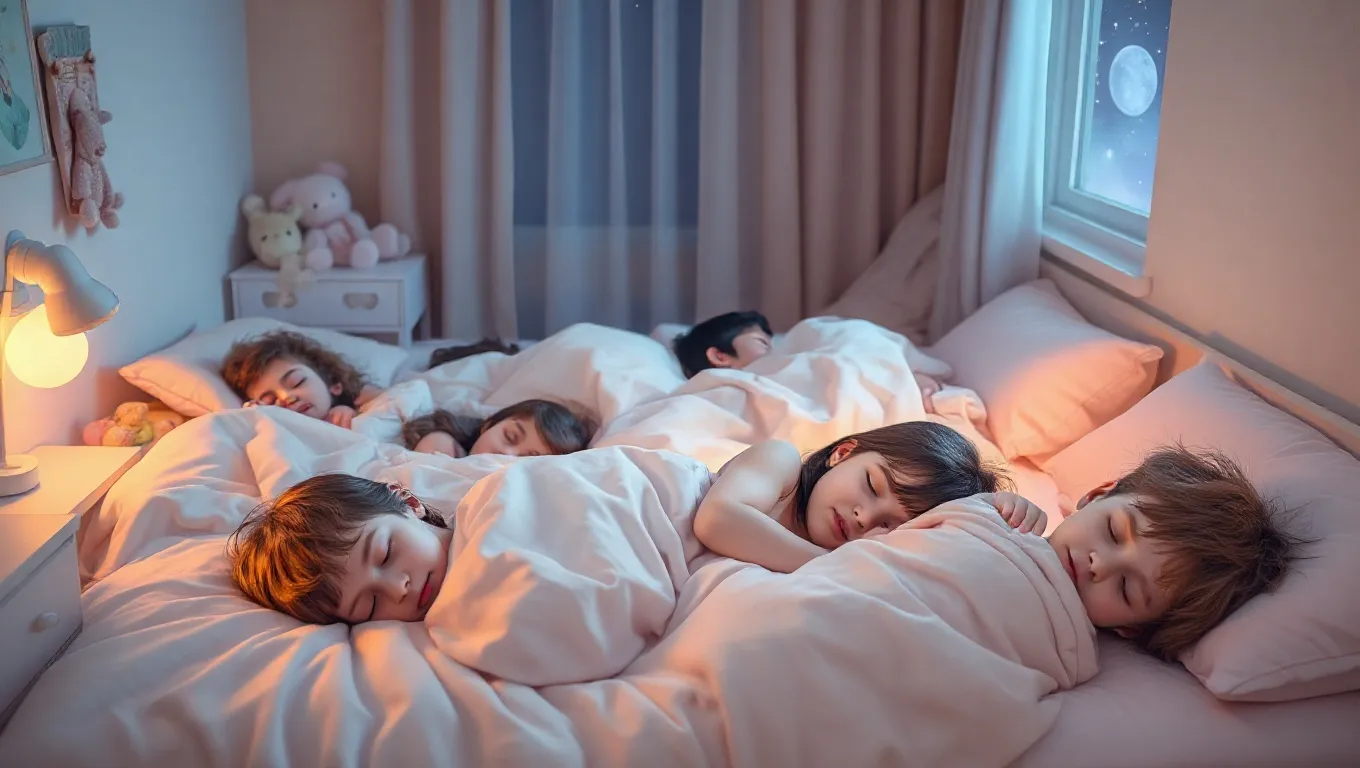
First, it often reflects a deep longing for innocence and simplicity. Childhood, after all, is a time when worries are fewer and life feels safe. Seeing other children asleep might symbolize a desire to return to those peaceful moments. It’s like a silent wish to pause the fast-moving world around them.
At the same time, these dreams might signal feelings of responsibility or protectiveness. Teenagers especially begin to notice the vulnerability of others. Dreaming of sleeping children can reflect their emerging need to care for someone—perhaps a younger sibling, friend, or even their own inner child. It’s a subtle marker of growing maturity.
Curiously, sleeping kids also represent potential and growth. Just like the dreamers themselves who are in the process of learning and self-discovery, a sleeping child in a dream can symbolize hopes and dreams yet to be awakened. It’s a gentle nudge that something within is quietly developing and will flourish with time.
Sometimes, such dreams carry messages about fear or anxiety. Children and teens might subconsciously grapple with feelings of being ignored or unheard, much like sleeping kids who are silent and unavailable. This can hint at a desire to be seen or understood by those around them.
In essence, when children and teenagers see sleeping kids in their dreams, it opens a window into their inner world. It touches on innocence, growth, protection, and sometimes isolation. The sleeping child becomes a mirror reflecting their own journey from dependence to independence. And in that, these dreams hold a powerful, tender significance.
4. Grandparents Dreaming of Sleeping Grandchildren
When grandparents dream of children sleeping, a powerful and tender symbolism often emerges. These dreams are not just about rest or innocence; they carry layers of meaning tied to love, hope, and the passage of time.
Sleeping grandchildren in a dream evoke a deep sense of protection. The image of a child at peace stirs a natural instinct to guard and nurture. For grandparents, this can reflect their ongoing role as guardians and mentors, even from afar.
Such dreams may also highlight feelings of contentment and fulfillment. Seeing sleeping grandchildren suggests that the next generation is growing safely and securely. It reassures grandparents that their legacy is being cared for—a silent confirmation that life continues beautifully.
On another level, these dreams can evoke a sense of nostalgia. A sleeping child embodies innocence and vulnerability, reminding grandparents of their grandchildren’s early stages. It can spark memories of early childhood, evoking warmth, but sometimes a bittersweet awareness of time’s swift passage.
Intriguingly, dreaming of sleeping grandchildren might also reflect a grandparent’s own need for rest or emotional peace. Observing these tiny figures in repose may symbolize the dreamer’s desire for calm in their own life—an unconscious call for patience and serenity amidst life’s challenges.
Finally, such dreams often inspire hope. The sleeping child, so quiet and vulnerable, represents potential and future growth. For grandparents, it’s a vision filled with promise—a silent wish for the grandchildren’s happiness, health, and success yet to come.
In essence, when grandparents dream of their grandchildren sleeping, the dream weaves threads of protection, fulfillment, nostalgia, peace, and hope—all wrapped in a delicate image of innocence and rest. It’s a touching portrait of love across generations.
5. Childcare Providers and Caregivers Dreaming of Sleeping Children
For childcare providers and caregivers, dreaming of children sleeping holds a unique and layered significance. These professionals are deeply attuned to the rhythms and needs of children, so the image of a child sleeping in their dream often resonates on a personal and professional level.
When a caregiver dreams of children peacefully asleep, it can symbolize a moment of calm and reassurance. After all, sleep is a vulnerable state, especially for children. Seeing them rest comfortably may reflect the caregiver’s confidence in their ability to provide safety and comfort. It’s as if their subconscious is affirming, “You are doing well. The children are safe in your care.”
Yet, this dream can also stir deeper questions. Are there underlying anxieties about the children’s well-being? Since caregivers bear significant responsibility, a sleeping child might also represent a temporary pause before new challenges arise. It might hint at vigilance—encouraging the dreamer to stay alert even during seemingly quiet moments.
Another intriguing angle: the sleeping child could symbolize untapped potential or the unfolding of growth that has yet to be fully witnessed. Caregivers nurture development daily, and dreams of sleep might reflect a patient acknowledgment that growth takes time, and sometimes progress happens beneath the surface, quietly and out of immediate view.
For those dedicated to caring, this dream might prompt reflection on balance—between action and rest, vigilance and ease. It invites caregivers to consider their own need for rejuvenation, mirroring the peaceful rest of the children they watch over.
In sum, for childcare providers and caregivers, dreaming of children sleeping often blends reassurance with subtle reminders. It is an emblem of safety, responsibility, and the delicate dance of nurturing growth while honoring the need for rest—both for the children, and for the caregivers themselves.
6. Teachers and Educators Dreaming of Sleeping Students
For teachers and educators, dreaming of children sleeping can carry a unique and layered significance. It's a symbol that often stirs curious feelings beneath the surface of their daily professional lives.
Sleeping children in their dreams might first suggest a state of pause or rest. After all, teachers invest so much energy guiding and nurturing young minds. Seeing their students asleep could mirror a subconscious recognition of the need for rest—both for the children and perhaps for the teachers themselves.
But there’s more. Sleeping students can also represent potential waiting quietly in the wings. In the waking world, a child at rest is not learning or interacting. Yet in dreams, this silence may signify the fertile ground for growth and development. Teachers might interpret this as a reminder: every student’s journey unfolds in its own time. Not all progress is loud or immediate. Some lessons, like seeds, germinate beneath the surface, unseen.
Another layer involves concern or responsibility. Educators often feel protective, constantly attentive to their students’ wellbeing. Dreaming of sleeping children might raise questions—are they truly safe? Are the students getting the care and attention they need, physically and emotionally? This can reveal an educator’s latent worries about their impact or the broader educational environment.
There’s also the reflective angle. Children asleep symbolize innocence and vulnerability. For teachers, such a dream might invite them to reconnect with the purity of their calling—the deep desire to nurture and shape young lives gently and thoughtfully.
In essence, when educators dream of children sleeping, it’s as if their subconscious is weaving together themes of rest, potential, responsibility, and care. Each dream acts as a subtle nudge, urging teachers to ponder the rhythms of learning, the pace of growth, and their vital role within it.
7. Psychologists and Therapists Analyzing Children Sleeping Dreams
For psychologists and therapists, dreams featuring children sleeping open a fascinating window into the subconscious mind. These professionals don’t just see a simple image; they perceive a rich tapestry of symbolism, ripe for analysis and interpretation.
Why children? Children symbolize purity, potential, and new beginnings. When they appear asleep in dreams, the meaning deepens. Sleep represents rest, integration, and the unconscious processing of experiences. Together, these images invite therapists to explore themes of vulnerability, growth, and latent emotions within the dreamer.
Psychologists often view a sleeping child as a reflection of the dreamer’s inner self — particularly the parts that are innocent or in need of protection. It might hint at aspects of the psyche that are "asleep" or not fully conscious. Therapists might interpret this as the dreamer's untapped potential or unresolved childhood issues gently surfacing.
For those working with patients facing trauma or anxiety, children sleeping can signal either a need for healing or a moment of peace amidst turmoil. It’s a delicate balance — the sleeping child could represent hope for recovery or awareness of wounded parts still resting beneath the surface.
Moreover, therapists note the context and emotional tone surrounding the sleeping child. Is the child peaceful or restless? Safe or endangered? The answers offer clues about the dreamer’s current emotional state and subconscious concerns.
In summary, for psychologists and therapists, dreaming of children sleeping is like holding a key. It unlocks dialogue about vulnerability, protection, and hidden parts of the self waiting to awaken or be nurtured. This symbol invites a profound inquiry into the dreamer’s inner world, helping professionals guide their patients toward insight and healing.
8. People Coping with Childhood Memories in Children Sleeping Dreams
Dreams about children sleeping often carry a delicate, profound significance—especially for those wrestling with their childhood memories. This demographic experiences these dreams not just as casual images but as emotional landscapes.
When children appear sleeping in a dream, it can feel like a snapshot from the past—quiet, peaceful, yet charged with unspoken feelings. For people coping with childhood memories, these dreams invite a closer look at innocence paused in time.
Why children? Why sleep? Children represent the early stages of life—pure, vulnerable, and impressionable. Sleep, in dreams, symbolizes rest, healing, or sometimes, things left dormant. Together, children sleeping may reveal a subconscious yearning to revisit or protect that fragile part of the self.
Often, these dreams emerge amid current struggles with past wounds. They may suggest a gentle call from the mind to nurture the younger self, who might have been overlooked or hurt. The peaceful sleeping child might be a metaphorical safe space—a refuge where one’s childhood can finally rest undisturbed.
Alternatively, these dreams might ask: What have you buried or ignored in your early years? Is there an emotional truth waiting to be awakened? The sleeping child could hint at unresolved trauma or forgotten joy demanding attention.
In this way, children sleeping are more than a simple motif. For those grappling with childhood memories, they serve as powerful emotional signals—quiet but urgent reminders of the past’s ongoing influence on the present.
They invite curiosity. What stories lie behind those closed eyes? What healing awaits when you "wake" this dream? The answer often unfolds only when you sit with the dream—patient, compassionate, and open to rediscovery.
9. Adults Experiencing Nostalgic Dreams of Sleeping Children
For adults experiencing nostalgic dreams featuring children sleeping, the symbol of sleeping children carries a profound emotional weight. These dreams often evoke a sense of innocence paused in time—a moment frozen in the past that beckons the dreamer to reconnect with simpler days.
Why does this image strike such a chord? For many adults, sleeping children represent vulnerability wrapped in tranquility. It’s a reminder of a time when life felt more protected, hopes felt limitless, and worries were few. In these dreams, the sleeping child may not always be their own offspring—it might be an imaginative echo of themselves or a loved one from their past.
These dreams can stir a bittersweet longing. They urge the dreamer to reflect on lost youth or moments when life’s responsibilities hadn’t yet taken hold. There’s often a quiet yearning to safeguard that innocence or to recapture the comfort and safety those sleeping children embody.
Moreover, seeing children asleep in dreams can also signify unacknowledged parts of the self. The child might symbolize creative potential, dormant ambitions, or emotions lying quietly beneath the surface, waiting to awaken. For nostalgic dreamers, this can spark introspection about what parts of their inner life have been “put to rest” or overlooked.
Ultimately, these dreams feel like invitations. They ask adults to pause and cherish the simple peace that sleeping children symbolize. They encourage a tender dialogue with the past—a way to honor those moments and perhaps find new meaning for the present.
10. Individuals Concerned with Child Safety Dreaming of Sleeping Kids
When individuals deeply concerned with child safety dream of children sleeping, the imagery is both powerful and layered with meaning. Children, in their vulnerable slumber, often symbolize innocence, protection, and the delicate balance between rest and alertness.
For these dreamers, the sight of sleeping children can evoke a profound sense of responsibility. It's as if their subconscious gently nudges them to pause and reflect on the safety nets they’ve woven around the young ones in their care. Are those nets strong enough? Is there something unseen that needs attention?
This dream may also highlight a yearning for peace. Amidst their daily worries, seeing children asleep suggests a hope for uninterrupted calm and security—not just for the children, but for themselves as guardians. It’s a moment of stillness that contrasts sharply with the ever-present tension of vigilance.
Sometimes, the dream can stir anxieties beneath the surface. A sleeping child is peaceful, yes—but also unaware and defenseless. This duality may prompt the dreamer to question if they are doing enough, or if something is slipping through the cracks of their watchfulness.
Intriguingly, these dreams might encourage a reevaluation of boundaries. The sleeping child symbolizes rest, but also the need to protect that rest. For people focused on child safety, it can be a call to reconsider how they balance freedom and protection, trust and caution.
Ultimately, dreaming of children sleeping invites these individuals to engage with their protective instincts in a quiet, reflective way. It’s a deeply emotional symbol—one that resonates with their core concerns and intensifies their commitment to safeguarding innocence in a chaotic world.
11. Dreamers Exploring Childhood Innocence through Sleeping Children
Dreaming of children sleeping holds a special, almost magical significance for those who are drawn to exploring childhood innocence. For these dreamers, the image of sleeping children is not just a simple scene but a gateway into the purity and unspoiled wonder of early life.
Children asleep evoke a peaceful stillness. It’s as if time pauses, capturing a moment untouched by worry or complexity. These dreamers often find themselves mesmerized by this calm. They sense a connection to a time when life was simpler, emotions felt more deeply, and the world was full of possibilities.
There’s also a sense of protection in these dreams. Sleeping children symbolize vulnerability but also trust. The dreamer, consciously or not, may be longing to shield some part of their own innocence — or that of others — from life’s harsh realities.
When people who seek to explore their own childhood innocence see sleeping children in dreams, they might question: What part of my younger self needs rest? What memories or feelings have I tucked away that now require gentle attention?
These dreams often inspire reflection. They invite dreamers to slow down and reconnect with their authentic emotions. Perhaps there’s a hidden joy, a forgotten hope, or a simple truth waiting to be rediscovered.
In a way, the sleeping children become silent teachers. They remind the dreamer that innocence is not lost but merely sleeping within. And like those children, it may just need nurturing and patience to awaken once again.
12. Parents Dealing with Sleep Issues Dreaming of Children Sleeping
For parents grappling with sleep challenges, dreaming of children sleeping carries profound layers of meaning. It is not just an image of peace, but a reflection of deep desires and ongoing struggles.
When tired parents see their children peacefully asleep in dreams, it often mirrors their yearning for rest and calm in their waking life. Sleep issues can create a relentless cycle of exhaustion, anxiety, and frustration. Dreaming of sleeping children can be a symbolic oasis—a mental space where tranquility seems possible.
These dreams might also highlight parental hopes. Parents may wish for their children’s well-being and safety above all else. Seeing children asleep symbolizes protection and security. In the dream world, it’s a moment stripped from the worries of waking hours. The dream may suggest a longing for nights free from interruptions, a yearning parents understand all too well.
Alternatively, such dreams can raise questions: Are parents subconsciously reflecting on their own need to “fall asleep” to peace? Or are they deeply concerned about their children’s health and comfort? The image of sleeping children might urge parents to pause and check in with their own emotional and physical state.
Moreover, dreaming of children sleeping could be a gentle reminder. Amid the chaos and sleepless nights, it encourages parents to savor small moments of rest—literal or figurative—that they might be overlooking.
In short, for parents facing sleep struggles, the dream symbol of children sleeping is rich with significance. It evokes calm, protection, and the silent hope for better nights ahead—both for their children and themselves.
13. Newborn Parents Dreaming of Sleeping Infants
For newborn parents, dreaming of children sleeping holds a unique and deeply personal significance. It’s a symbol that often mirrors their waking life—filled with wonder, worry, and hope.
When a new parent dreams of their baby peacefully sleeping, it can evoke a sense of relief. After all, sleep for newborns is not just about rest; it’s about survival. Seeing their infant calm and at rest in a dream might reflect a parent's longing for safety and stability in a world suddenly turned upside down.
But these dreams can also carry unspoken questions. Is the child truly okay? Am I doing enough? The sleeping baby becomes a symbol of vulnerability, awakening the dreamer’s protective instincts even in their subconscious.
There is also a profound element of growth in this symbolism. Sleep is where development happens quietly, unseen but powerful. For parents, dreaming of a sleeping infant might symbolize hope—hope for healthy growth, emotional bonding, and a future brimming with possibilities.
Yet, the dream might hint at the dreamer’s own need for rest and renewal. Amid the sleepless nights of new parenthood, dreams of peaceful little ones sleeping can remind parents of their own exhaustion and the necessity of self-care.
In essence, these dreams are a delicate dance between peace and concern, hope and responsibility. For newborn parents, children sleeping in dreams isn’t just a symbol. It’s a mirror reflecting their deepest feelings and a question whispered from the heart: How can I nurture and protect this fragile new life, while also caring for myself?
14. Individuals Recovering from Trauma Dreaming of Sleeping Children
Dreams about children sleeping carry a unique and poignant symbolism, especially when experienced by individuals recovering from trauma. These images are not just fleeting nightly visions; they often serve as a profound mirror reflecting the sleeper’s inner emotional landscape.
For those healing from trauma, children in dreams often represent the vulnerable parts of the self. When these children are asleep, it suggests a state of rest or temporary peace within that vulnerability. It’s as if the dream is telling the dreamer, “This fragility is currently quiet, safe—even if just for a moment.”
The sleeping child can symbolize parts of the psyche that are still processing pain but are at rest from immediate distress. This rest might hint at healing in progress—time for the mind and heart to repair without the chaos of trauma’s turmoil.
There’s also a sense of hope in these dreams. Sleeping children evoke innocence and potential. For a trauma survivor, seeing such a scene may ignite a subconscious belief in renewal. It’s a quiet assurance that the parts of themselves harmed by trauma can find peace again, that calm can gradually replace unrest.
Yet, the sleep of these children is fragile. It invites the dreamer to reflect on how they protect their own healing. Are they giving themselves the space to rest? Or is the sleep easily broken by anxiety and fear?
In this context, children sleeping in dreams are not just a symbol—they are a gentle call to nurture the wounded self. They urge patience, self-compassion, and the acknowledgment that healing is sometimes found in moments of quiet rest.
Ultimately, for those recovering from trauma, such dreams can be both a soothing balm and a powerful reminder: peace is possible, but it requires care and gentle attention.
15. People Dreaming of Sleeping Siblings or Family Children
Dreaming of children sleeping, especially when these children are siblings or family members, strikes a unique chord. It invites us to peer deeper into the intimate layers of our emotional landscape.
Why focus on sleeping children within the family circle? Because these dreams often reflect our protective instincts and complex feelings tied to kinship.
When you see your sleeping sibling or a family child in a dream, you might first feel a sense of peace. Sleep suggests vulnerability. In this state, the child is unaware of any threat. Your subconscious may be exposing your desire to shield or nurture those close to you.
But there’s more beneath the surface. Sleeping children could symbolize parts of your shared family history or collective experiences that rest quietly yet powerfully within you. They may represent innocence, untapped potential, or issues lying dormant.
Do you feel responsible for these family members in waking life? These dreams often arise when caregivers or elder siblings are wrestling with that weight. Perhaps you’re pondering how to handle a delicate situation. Or maybe it’s about hoping for harmony, a reprieve from turmoil.
Alternatively, sleeping siblings or cousins might highlight how you view the growth or development of your family ties. The dream can nudge you to ask: Are there relationships resting peacefully? Neglected? Or ready to awaken with new understanding?
Such dreams whisper of patience and gentle care—their very quietness calls for reflection. They invite you to consider your role in their unfolding life story, to acknowledge your emotional bonds, and to respect the fragile yet vital nature of family connections.
Dreaming of sleeping children in your family is not just a simple image. It is a complex message. It connects feelings of love, responsibility, hope, and sometimes unspoken worries. It’s a personal mirror shining light on how we cherish and guard those nearest to us.
Back to interpretation of children sleeping